
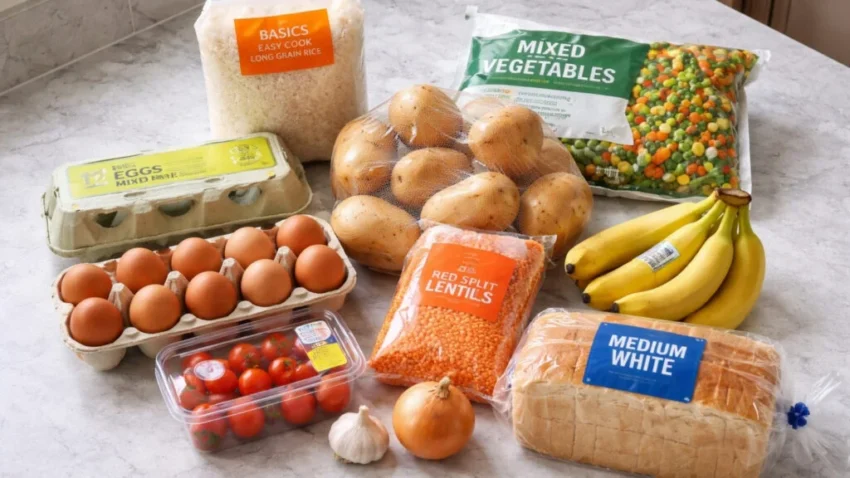
A one week grocery list for one person should make shopping easier without leaving you with more food than you can realistically eat.
When you live alone, buying groceries can be surprisingly difficult. Family-sized packages may be too large, fresh produce can spoil before you finish it, and buying ingredients for different meals can quickly increase your grocery bill.
The key is to plan around your actual eating habits rather than simply filling your cart with food that looks useful. By considering your meals, existing ingredients, food shelf life, and budget before shopping, you can create a weekly grocery routine that is practical and flexible.
Start With Your Weekly Meal Plan
Before writing your grocery list, think about what you are likely to eat during the next seven days. You do not need to plan every meal in detail, but having a general idea of your breakfasts, lunches, dinners, and snacks can help you estimate how much food you actually need.
· Consider Your Eating Schedule
Living alone does not necessarily mean eating every meal at home. You may have lunch at work, order food occasionally, visit family, or eat at a restaurant during the weekend.
Take these plans into account before shopping. If you know you will eat dinner outside twice during the week, you do not need to purchase seven dinners’ worth of ingredients.
You can also plan a few flexible meals rather than assigning a specific dish to every day. This gives you room to use ingredients based on what needs to be eaten first.
· Reuse Ingredients Across Meals
Choose ingredients that can work in several different meals. For example, eggs can be used for breakfast, fried rice, sandwiches, or a quick dinner. Chicken can be added to rice bowls, salads, wraps, or pasta.
This approach reduces the number of different ingredients you need to buy while still allowing you to vary your meals throughout the week.
Check Your Kitchen Before Shopping
One of the easiest ways to overspend is to buy groceries without checking what you already have. Before creating your list, look through your refrigerator, freezer, and pantry.
Look for vegetables, dairy products, frozen foods, sauces, and proteins that should be used soon. You may be able to build several meals around these ingredients before purchasing additional food.
This simple check also prevents duplicate purchases. Buying another bottle of sauce or package of cheese when you already have one at home can make a small weekly grocery trip unnecessarily expensive.
Build Your Grocery List by Category
Once you know what meals you want to prepare and what you already have, organize your shopping list into categories. This makes it easier to move through the store and reduces the chance of forgetting an important ingredient.
· Fresh Produce
Choose fruits and vegetables based on how quickly you expect to eat them. Instead of purchasing several varieties in large quantities, select a smaller number of versatile options.
For example, you might choose bananas, apples, carrots, leafy greens, and tomatoes. You can then adjust the quantities according to your planned meals.
If you tend to eat fruit as snacks, buy enough for the week but avoid purchasing more than you normally consume.
· Protein
Protein choices can include eggs, chicken, fish, tofu, beans, yogurt, or other foods that fit your diet.
When shopping for one person, consider how many portions you can realistically use. If a package contains more than you need, check whether the food can be frozen safely for another week.
· Carbohydrates and Pantry Foods
Rice, pasta, bread, oats, potatoes, and similar foods can form the foundation of several meals. Choose one or two staples instead of purchasing multiple products that may remain unused.
Choose Ingredients With Multiple Uses
A useful grocery list for one person should prioritize flexibility. Ingredients that can be incorporated into several meals are often easier to finish before they spoil.
For example, spinach can be added to eggs, pasta, sandwiches, or rice dishes. Tomatoes can be used in salads, sandwiches, pasta, or simple side dishes. Greek yogurt can work as breakfast, a snack, or a topping.
This does not mean every ingredient needs to appear in every meal. Instead, the goal is to make sure that most of what you buy has more than one possible use.
A one week grocery list for one person can therefore be much simpler when the same core ingredients are planned for different meals throughout the week.
Set a Weekly Grocery Budget
A grocery plan should also reflect how much you are comfortable spending each week. Start by identifying the foods you consider essential, then decide how much room remains for snacks, drinks, treats, or optional ingredients.
Avoid judging the value of an item only by its price per package. A larger package may have a lower unit price but still cost more in the long run if part of it goes unused.
Your budget should also account for your eating habits. Someone who cooks almost every meal at home may need more groceries than someone who regularly eats lunch outside.
Create a Simple Seven-Day Grocery Plan
You do not need an elaborate spreadsheet to plan your shopping. A basic weekly structure can be enough.
For example, your list might include:
- Eggs for several breakfasts
- One or two protein sources
- Two to four types of vegetables
- A few pieces of fruit
- Rice, pasta, bread, or another carbohydrate
- Milk or a dairy alternative
- Yogurt or another snack
The exact quantities should depend on how much you normally eat. Someone with a larger appetite or a physically active routine may require more food, while someone who frequently eats outside may need less.
A one week grocery list for one person ultimately works best when it reflects your real habits. Start with a simple meal plan, check what you already have, choose versatile ingredients, and consider how long each food will last.
By reviewing your purchases each week, you can gradually create a shopping system that helps control spending, reduce food waste, and keep your kitchen stocked with food you will actually eat.
