

Posted in

Emerging Trends Shaping Marketing Technology

AVB Media Asia’s integrated marketing approach reflects a broader shift in how brands can connect strategy, creativity, digital channels, and audience engagement. Marketing technology is no longer limited to individual tools for managing advertisements, email campaigns, analytics, or social media. Increasingly, different technologies are being connected to support a more coordinated marketing process.

For brands operating across Asia, this shift is particularly relevant. Audiences interact with businesses through websites, social platforms, video, search, events, and other digital touchpoints.

As these interactions become more connected, marketers need to consider not only which technologies to use, but also how those technologies contribute to a wider marketing strategy.

AI Is Reshaping Marketing Workflows

Artificial intelligence has become one of the most visible developments in marketing technology. Its applications now extend across research, content development, audience analysis, campaign planning, customer service, and performance analysis.

For marketing teams, AI can help process large amounts of information and handle repetitive tasks more efficiently. It can assist with identifying audience patterns, generating initial content ideas, organizing research, or analyzing campaign data. This can give marketers more time to focus on strategic and creative decisions.

However, the growing use of AI does not remove the need for human judgment. Brand positioning, cultural context, creative direction, and communication style still require decisions that technology cannot automatically make for every business. This is especially relevant in Asian markets, where audiences can differ significantly in language, culture, purchasing behavior, and expectations.

First-Party Data Supports More Relevant Communication

Data continues to play an important role in marketing, but the way businesses approach it is changing. As brands become more conscious of privacy and data management, first-party data has become increasingly valuable.

Information collected directly through customer interactions can help businesses understand preferences, behaviors, and engagement patterns. When handled responsibly, this data can support audience segmentation and more relevant communication.

For example, a business may identify differences between new customers, returning customers, and audiences who have interacted with particular products or campaigns. These insights can help marketers develop communication that is more appropriate to each group instead of delivering exactly the same message to everyone.

Technology makes this process more manageable, but responsible data practices remain essential. Transparency, consent, security, and appropriate use of customer information should be considered alongside the marketing benefits.

Automation Connects More Customer Touchpoints

Marketing automation is another area that continues to develop. Businesses can automate activities across email, customer relationship management, lead nurturing, advertising, and other communication channels.

Automation can help teams maintain consistency while reducing repetitive manual work. A customer who completes a particular action, for example, may receive communication that corresponds with their previous interaction rather than a generic message.

Creative Technology Expands Brand Experiences

Technology is also influencing the creative side of marketing. Video, interactive content, immersive experiences, social media formats, and digital activations give brands more ways to communicate ideas.

This does not mean that every campaign needs an advanced technological feature. The value of creative technology depends on whether it supports the campaign’s purpose and makes the experience more relevant to its intended audience.

For example, interactive content may encourage participation where a static format would not. Video can communicate a complex product or service through visual storytelling, while digital experiences can provide audiences with opportunities to explore a brand in a more direct way.

Real-Time Analytics Improve Marketing Decisions

Another emerging development is the growing ability to monitor marketing performance through real-time or near-real-time data. Analytics platforms, dashboards, social listening tools, and other technologies can provide marketers with faster visibility into how audiences respond to campaigns.

This can be useful when a campaign includes multiple channels or needs to be adjusted while it is running. Marketers can observe engagement patterns, traffic behavior, content performance, and other indicators to identify areas that may require attention.

Having access to more data does not necessarily result in better marketing decisions. Numbers still need to be interpreted in context. A high engagement rate, for instance, may not necessarily indicate that a campaign is achieving its wider business objective.

Integration Is Becoming More Important

As marketing technology develops across different areas, integration becomes increasingly important. A business may have sophisticated analytics, creative production capabilities, customer data, advertising technology, and social media tools, but these resources can become less useful when they operate without a shared direction.

This is where AVB Media Asia’s integrated marketing approach becomes relevant. An integrated approach considers how branding, creative content, digital marketing, media, events, and audience engagement can contribute to the same broader objective.

Instead of treating each marketing function as an isolated activity, integration creates opportunities for ideas and messages to move consistently across different channels. A campaign concept can influence social content, video production, digital advertising, event experiences, and other communication formats while maintaining a recognizable identity.

Technology can support this process by connecting information, workflows, and performance insights. Yet integration ultimately depends on strategy. The tools may change, but businesses still need a clear understanding of their audience, objectives, message, and desired customer experience.

Preparing for the Next Stage of Marketing Technology

Marketing technology will continue to evolve as artificial intelligence, automation, analytics, data infrastructure, and creative tools become more connected. For brands, the challenge is not necessarily to adopt every emerging technology, but to understand which developments can support their particular marketing needs.

The most useful technologies are likely to be those that improve how businesses understand audiences, develop relevant content, manage customer interactions, and measure marketing activity without losing the human side of communication.

As these capabilities continue to converge, AVB Media Asia’s integrated marketing approach offers a useful framework for considering technology as part of a wider marketing ecosystem. Rather than viewing technology as a collection of individual tools, businesses can consider how strategy, creativity, digital execution, and audience experiences work together.

The future of marketing technology will involve new platforms and capabilities, but successful implementation will still depend on clear objectives, relevant ideas, responsible data use, and a strong understanding of the people a brand wants to reach.

Posted in

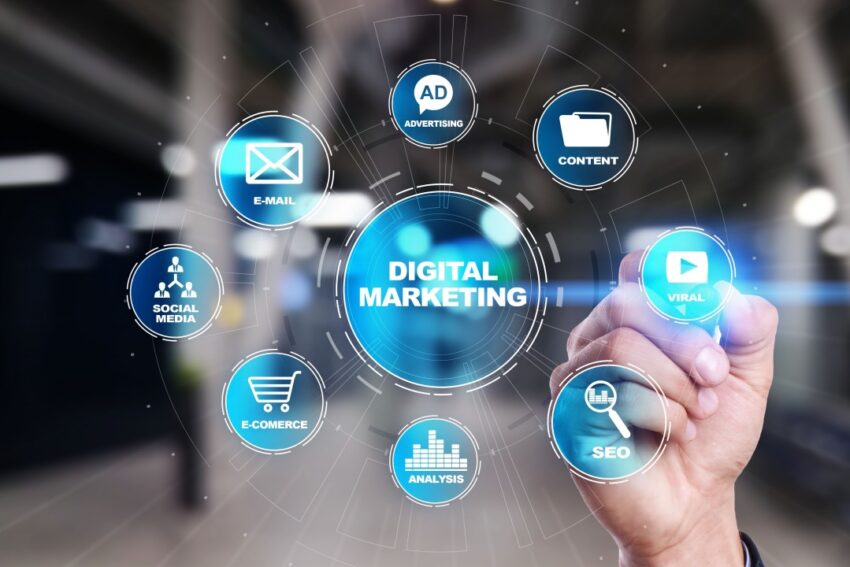
Top Digital Strategies for Modern Business Success

Running a business amidst a fast-paced, competitive market often triggers anxiety, particularly when observing shifts in consumer behavior.

As you strive to maintain your brand’s relevance, collaborating with the Alpha Seven team can be a truly reassuring first step. You are well aware that relying solely on outdated methods is no longer sufficient to ensure business continuity.

The advent of technology has created a wealth of new opportunities capable of driving rapid business growth, provided they are executed correctly.

Let us explore the practical steps that can transform your uncertainty into genuine confidence, enabling the business you have built with such dedication to survive, thrive, and sustainably dominate the modern digital marketplace.

5 Digital Strategies for Achieving Success in Modern Business

Watching a business that you built from the ground up grow consistently brings immense pride and emotional satisfaction.

However, rapidly changing consumer behavior demands constant adaptation to avoid falling behind competitors.

Adopting an online platform-based approach is no longer merely an option; it is a fundamental necessity for your business’s growth. To that end, the following discussion outlines the right digital strategies to achieve success in your business.

1.      Consolidate Data From Various Channel Sources

The increasingly fierce competition in today’s market demands that you move faster than your business rivals.

However, such agility is difficult to achieve if you are still spending valuable time manually consolidating reports from multiple platforms. Once you take the step of unifying data from all sales channels, a comprehensive picture of your business’s progress will immediately come into view.

You will be able to spot new market opportunities with greater insight and halt budget allocations for less productive strategies. Confidence and peace of mind will underpin your planning, as every major decision is now supported by consistent, accurate data that is easily accessible at any time.

2.      Host Your Event By Partnering With A High-Quality Creative Event Company.

As a decision-maker, you naturally want every investment made in an event to yield commensurate business results. Partnering with a trusted creative event company, such as the Alpha Seven team, is the ideal way to deliver a celebration that is both aesthetically stunning and strategically driven by digital insights.

Leveraging target audience data analytics, responsive online registration, and omnichannel strategies ensures optimal participant engagement. The team’s extensive experience helps you craft marketing messages that are subtle yet highly persuasive throughout the event.

Your event transforms from a routine annual agenda into a powerful strategic springboard that boosts your brand’s dominance in the dynamic digital marketplace.

3.      Optimize Your Search Presence Across Sources Beyond Google

Relying on a single search engine to grow a modern business often means missing out on immense market potential.

As prospective customers increasingly seek product recommendations on social media, digital marketplaces, and AI-driven platforms, a multi-channel search strategy has become essential. You are likely aware of how rapidly the digital competitive landscape shifts, creating anxiety about your brand falling behind.

Diversifying your search channels ensures you are present exactly where consumers spend their time each day. Let’s explore actionable steps to effectively, efficiently, and sustainably maximize your business’s presence across various alternative search platforms, thereby securing long-term business viability.

4.      Develop An Omnichannel Strategy

There is a unique sense of satisfaction in seeing a business you built from the ground up deliver a seamless shopping experience. This success stems from your willingness to develop an omnichannel strategy that precisely connects every consumer touchpoint.

You surely understand that today’s shoppers value flexibility, such as the ability to order products online and pick them up at a nearby store.

Accurate inventory data integration prevents disappointment caused by out-of-stock items while simultaneously boosting your daily operational efficiency. This adaptive digital strategy not only cuts through complex internal bureaucracy but also positions your brand as a responsive pioneer. Ultimately, sustainable business growth becomes the tangible result of the strategic decisions you have made.

5.      Establish A Review And Feedback System

Seeing customers return with satisfied smiles is undoubtedly a heartwarming moment for any business owner.

To reach this point, you need to establish a well-organized review and feedback system as part of your modern business’s digital strategy. Listening to honest consumer feedback is about more than just gathering ratings; it is the best way to gain a deep understanding of their expectations and concerns.

By providing an accessible platform for customers to share their experiences, you make them feel truly valued and heard. This strong emotional connection naturally builds a solid foundation of trust, boosts your brand’s reputation, and paves the way for sustainable, long-term success amidst market competition.

Embarking on a digital transformation journey often sparks hesitation, yet the courage to adapt is the key to sustainable business growth. Any strategy pursued with persistence will yield tangible, rewarding results. When you are ready to take the next step in navigating today’s competitive business landscape, entrust your strategic direction to the Alpha Seven team.

Posted in

A Simple Grocery Plan for One Person

A one week grocery list for one person should make shopping easier without leaving you with more food than you can realistically eat.

When you live alone, buying groceries can be surprisingly difficult. Family-sized packages may be too large, fresh produce can spoil before you finish it, and buying ingredients for different meals can quickly increase your grocery bill.

The key is to plan around your actual eating habits rather than simply filling your cart with food that looks useful. By considering your meals, existing ingredients, food shelf life, and budget before shopping, you can create a weekly grocery routine that is practical and flexible.

Start With Your Weekly Meal Plan

Before writing your grocery list, think about what you are likely to eat during the next seven days. You do not need to plan every meal in detail, but having a general idea of your breakfasts, lunches, dinners, and snacks can help you estimate how much food you actually need.

·         Consider Your Eating Schedule

Living alone does not necessarily mean eating every meal at home. You may have lunch at work, order food occasionally, visit family, or eat at a restaurant during the weekend.

Take these plans into account before shopping. If you know you will eat dinner outside twice during the week, you do not need to purchase seven dinners’ worth of ingredients.

You can also plan a few flexible meals rather than assigning a specific dish to every day. This gives you room to use ingredients based on what needs to be eaten first.

·         Reuse Ingredients Across Meals

Choose ingredients that can work in several different meals. For example, eggs can be used for breakfast, fried rice, sandwiches, or a quick dinner. Chicken can be added to rice bowls, salads, wraps, or pasta.

This approach reduces the number of different ingredients you need to buy while still allowing you to vary your meals throughout the week.

Check Your Kitchen Before Shopping

One of the easiest ways to overspend is to buy groceries without checking what you already have. Before creating your list, look through your refrigerator, freezer, and pantry.

Look for vegetables, dairy products, frozen foods, sauces, and proteins that should be used soon. You may be able to build several meals around these ingredients before purchasing additional food.

This simple check also prevents duplicate purchases. Buying another bottle of sauce or package of cheese when you already have one at home can make a small weekly grocery trip unnecessarily expensive.

Build Your Grocery List by Category

Once you know what meals you want to prepare and what you already have, organize your shopping list into categories. This makes it easier to move through the store and reduces the chance of forgetting an important ingredient.

·         Fresh Produce

Choose fruits and vegetables based on how quickly you expect to eat them. Instead of purchasing several varieties in large quantities, select a smaller number of versatile options.

For example, you might choose bananas, apples, carrots, leafy greens, and tomatoes. You can then adjust the quantities according to your planned meals.

If you tend to eat fruit as snacks, buy enough for the week but avoid purchasing more than you normally consume.

·         Protein

Protein choices can include eggs, chicken, fish, tofu, beans, yogurt, or other foods that fit your diet.

When shopping for one person, consider how many portions you can realistically use. If a package contains more than you need, check whether the food can be frozen safely for another week.

·         Carbohydrates and Pantry Foods

Rice, pasta, bread, oats, potatoes, and similar foods can form the foundation of several meals. Choose one or two staples instead of purchasing multiple products that may remain unused.

Choose Ingredients With Multiple Uses

A useful grocery list for one person should prioritize flexibility. Ingredients that can be incorporated into several meals are often easier to finish before they spoil.

For example, spinach can be added to eggs, pasta, sandwiches, or rice dishes. Tomatoes can be used in salads, sandwiches, pasta, or simple side dishes. Greek yogurt can work as breakfast, a snack, or a topping.

This does not mean every ingredient needs to appear in every meal. Instead, the goal is to make sure that most of what you buy has more than one possible use.

A one week grocery list for one person can therefore be much simpler when the same core ingredients are planned for different meals throughout the week.

Set a Weekly Grocery Budget

A grocery plan should also reflect how much you are comfortable spending each week. Start by identifying the foods you consider essential, then decide how much room remains for snacks, drinks, treats, or optional ingredients.

Avoid judging the value of an item only by its price per package. A larger package may have a lower unit price but still cost more in the long run if part of it goes unused.

Your budget should also account for your eating habits. Someone who cooks almost every meal at home may need more groceries than someone who regularly eats lunch outside.

Create a Simple Seven-Day Grocery Plan

You do not need an elaborate spreadsheet to plan your shopping. A basic weekly structure can be enough.

For example, your list might include:

  • Eggs for several breakfasts
  • One or two protein sources
  • Two to four types of vegetables
  • A few pieces of fruit
  • Rice, pasta, bread, or another carbohydrate
  • Milk or a dairy alternative
  • Yogurt or another snack

The exact quantities should depend on how much you normally eat. Someone with a larger appetite or a physically active routine may require more food, while someone who frequently eats outside may need less.

A one week grocery list for one person ultimately works best when it reflects your real habits. Start with a simple meal plan, check what you already have, choose versatile ingredients, and consider how long each food will last.

By reviewing your purchases each week, you can gradually create a shopping system that helps control spending, reduce food waste, and keep your kitchen stocked with food you will actually eat.

Posted in

Experiencing Home Service IV Drip in Bali

Traveling in Bali often involves moving between various locations. For travelers with packed schedules, finding time for health or wellness services can sometimes be a challenge. This is where home service IV drip Bali options can offer a more convenient approach, allowing travelers to receive an IV treatment without making a separate trip to a clinic or wellness facility.

Instead of adjusting the day’s schedule around an appointment, travelers can arrange the service at a hotel, villa, or another suitable accommodation. The experience is therefore less about adding another destination to the itinerary and more about bringing the service directly to where the traveler is staying.

What Is a Home Service IV Drip Experience Like?

A home service IV drip experience is designed to make the treatment more convenient by bringing the service directly to the traveler’s hotel, villa, or other suitable accommodation. Instead of spending additional time traveling to a clinic or wellness facility, travelers can arrange an appointment and receive the treatment where they are staying.

Although the service takes place outside a clinic, the treatment should still follow appropriate hygiene and safety procedures. Professional providers use sterile, single-use equipment where applicable, including needles and other supplies required for the IV procedure.

The medical professional should also prepare the treatment area and equipment appropriately before starting the session.

For travelers who may feel concerned about receiving an IV treatment in a hotel or villa, checking the provider’s hygiene and safety practices beforehand can offer reassurance.

A reputable service should be transparent about the equipment used, the qualifications of its medical staff, and the procedures followed during the treatment.

Why Travelers May Find It More Convenient

Convenience is arguably the main reason a traveler might consider a home-service option.

No Additional Trip to a Clinic

Bali’s traffic can make even relatively short journeys take longer than expected. A treatment appointment can therefore involve more than the actual time spent receiving the service.

With a home service IV Drip Bali, travelers do not have to add a clinic visit to their itinerary. This can be particularly practical for people who would rather spend their limited holiday time sightseeing, relaxing, or staying at their accommodation.

Easier Scheduling

Travel plans can change throughout the day. A sightseeing activity may take longer than expected, a restaurant reservation may shift, or a traveler may simply decide to have a slower afternoon.

Having the service come to the accommodation can make it easier to arrange an appointment around the rest of the itinerary. However, travelers should still confirm appointment availability and allow enough time for the complete session.

A Simpler Way to Fit IV Drip Into a Bali Itinerary

For tourists, the biggest difference between a traditional appointment and a mobile service is the amount of logistical planning involved.

A clinic visit may require transportation, preparation before leaving the hotel, travel time, and another journey afterward. With a home-service appointment, these additional steps can be reduced.

Useful During a Busy Holiday

Consider a traveler who has spent the morning exploring Bali and plans to have dinner later in the evening. Instead of using part of the afternoon to travel to a wellness facility, they may be able to arrange an appointment at their accommodation, subject to provider availability.

This does not necessarily make the treatment itself different. The practical advantage is that the appointment can fit more naturally into the traveler’s existing schedule.

Suitable for Hotel or Villa Stays

Accommodation can also influence how convenient the experience feels. A private villa may provide a quiet setting, while a hotel room can offer a familiar place to rest before and after the appointment.

Travelers should check with their accommodation beforehand if there are any rules regarding outside medical or wellness services.

Things to Consider Before Booking

Although convenience is an important factor, it should not be the only consideration when choosing a provider.

1. Check the Provider and Medical Staff

Travelers should look for services that clearly explain who provides the treatment and whether qualified medical professionals are involved. It is also worth checking how the provider handles consultations, treatment preparation, and monitoring.

2. Ask About the Treatment

Before booking, travelers should understand what the treatment contains, how the appointment works, and how long it is expected to take. They should also be able to ask questions about potential risks or side effects.

Anyone with an existing medical condition, allergies, pregnancy, or who takes regular medication should discuss IV therapy with an appropriate healthcare professional before proceeding.

3. Consider Your Travel Schedule

Even though a mobile appointment removes the need to travel to a clinic, it still requires time. Travelers should leave enough room in their itinerary for the consultation, treatment, and any recommended rest period.

Is Home Service IV Drip Convenient for Travelers?

For visitors who value simplicity, home service IV drip Bali can provide a practical alternative to traveling to a clinic or wellness facility. The main appeal is straightforward: the service can be arranged at a suitable accommodation, reducing transportation and making it easier to fit an appointment into a busy Bali itinerary.

However, convenience should not replace appropriate medical considerations. Travelers should choose reputable providers, provide accurate health information, and make sure the treatment is suitable for their individual circumstances.

Ultimately, the home-service format can make the overall experience feel easier and less disruptive. Rather than turning a wellness appointment into another trip across Bali, travelers can arrange the service around where they are already staying.