
Smart Furniture Technology Trends Transforming Modern Home
Posted in

Smart Furniture Technology Trends Transforming Modern Home

Smart furniture is transforming how people live, work, and relax at home. No longer limited to simple functionality, modern furniture now integrates technology to enhance comfort, efficiency, and lifestyle quality. From connected sofas to AI-powered desks, smart furniture blends design with innovation to support contemporary living needs, especially in homes that prioritize convenience, flexibility, and intelligent space use.

This article explores the most important smart furniture technology trends shaping modern homes today, highlighting how technology is redefining everyday living environments.

What Is Smart Furniture?

Smart furniture refers to household furnishings enhanced with digital technology, connectivity, sensors, or automation features. Unlike traditional furniture, smart furniture performs additional functions beyond its basic physical purpose. It can connect to home networks, respond to user behavior, adapt to environmental conditions, and support multiple uses within limited space.

IoT-Enabled Furniture for Connected Living

One of the most significant trends in smart furniture is integration with the Internet of Things (IoT). IoT-enabled furniture connects to home networks, allowing users to control features through smartphones, tablets, or voice assistants.

Connected Beds and Sleep Systems

Modern smart beds do more than provide a place to sleep. Many models track sleep quality, adjust firmness automatically, regulate temperature, and sync with wellness apps. Some beds can elevate sections for ergonomic support or gently wake users with vibration and lighting.

These features help improve sleep hygiene while reducing the need for multiple separate devices.

Smart Tables with Integrated Technology

Coffee tables and side tables now include wireless charging pads, Bluetooth speakers, USB ports, and touch controls. Some models feature refrigerated compartments for beverages, making them ideal for entertainment-focused living rooms.

By embedding technology into everyday surfaces, smart tables eliminate clutter from cables and standalone gadgets.

Connected Storage Solutions

Wardrobes and cabinets with sensor-based lighting and inventory tracking help users organize belongings more efficiently. Some systems notify homeowners when items are missing or suggest outfit combinations through companion apps.

This integration supports a seamless smart home ecosystem where furniture actively contributes to daily organization.

Multifunctional Furniture for Flexible Living Spaces

As modern homes prioritize efficient space usage, multifunctional smart furniture has become essential. These pieces combine multiple functions into a single unit, reducing the need for additional furnishings while increasing usability.

Transformable Smart Beds

Murphy beds and foldable systems now include automated mechanisms that transform rooms instantly. With motorized controls, a wall unit can shift from a sleeping area into a workspace or entertainment center in seconds.

Some designs integrate lighting, shelving, and charging stations, making them complete living solutions rather than single-purpose items.

Adaptive Workstations

Smart desks can adjust height automatically based on user preferences or health recommendations. Advanced models track posture, remind users to change positions, and adjust lighting to reduce eye strain.

These workstations support hybrid work lifestyles by providing ergonomic comfort without requiring large dedicated offices.

Modular Seating Systems

Smart modular sofas allow users to rearrange configurations depending on activity, relaxing, socializing, or working. Built-in sensors may remember preferred arrangements, while integrated charging ports and lighting enhance usability.

Flexible furniture supports changing daily routines without requiring additional space.

See also : Smart Home Furniture: Transforming Everyday Living with Technology

AI Integration for Personalized Comfort

Artificial intelligence is increasingly embedded in smart furniture, enabling personalization based on user behavior and preferences.

1. Intelligent Ergonomic Adjustment

AI-powered chairs and desks analyze posture and sitting patterns, automatically adjusting height, angle, or lumbar support. Over time, these systems learn individual comfort preferences and adapt without manual input.

This level of personalization supports long-term health and productivity, especially for individuals working from home.

2. Environmental Adaptation

Some smart furniture pieces interact with environmental sensors to optimize comfort. For example:

  • Chairs may adjust temperature based on room conditions
  • Sofas can activate built-in heating during colder weather
  • Lighting integrated into furniture adapts to time of day

By responding to surroundings automatically, smart furniture reduces the need for constant manual adjustments.

3. Voice-Controlled Furniture Features

Voice integration allows users to control furniture settings hands-free. Adjusting bed positions, activating lighting, or managing charging functions becomes effortless, enhancing accessibility and convenience.

Sustainable Smart Materials and Eco-Conscious Design

Sustainability is a growing priority in modern home design, and smart furniture reflects this shift. Manufacturers increasingly combine technology with environmentally responsible materials and energy-efficient systems.

Energy-Efficient Components

Smart furniture often includes low-power sensors, LED lighting, and automated power management systems. Charging stations may shut off when devices are fully charged, reducing energy waste.

These features support eco-friendly living without sacrificing functionality.

Sustainable Materials with Embedded Technology

Advanced manufacturing techniques allow sensors and wiring to be integrated into recycled wood, bamboo composites, or bio-based materials. This approach reduces environmental impact while maintaining durability and aesthetic appeal.

Smart furniture no longer represents a trade-off between innovation and sustainability, it merges both.

Long-Life Design Philosophy

Because multifunctional furniture replaces several traditional pieces, it reduces overall material consumption. Modular components can also be updated without replacing the entire unit, extending product lifespan.

This shift aligns with modern consumer preferences for responsible consumption.

Smart furniture technology is redefining what it means to live comfortably in modern homes. Through IoT connectivity, AI-driven personalization, multifunctional design, sustainable materials, and space-saving innovation, furniture now plays a central role in shaping daily experiences.

These trends demonstrate a shift toward environments that are not only stylish but also intelligent and adaptive. By integrating technology directly into functional design, smart furniture enhances convenience, supports well-being, and maximizes the potential of contemporary living spaces.

For homeowners seeking efficiency, flexibility, and modern comfort, smart furniture represents a transformative step in home design, where innovation meets everyday life.

Frequently Asked Questions

  1. What is smart furniture?

Smart furniture combines traditional design with technology like sensors, connectivity, and automation to improve comfort, efficiency, and functionality in modern homes.

  1. How does smart furniture improve daily living?

It enhances convenience through features like wireless charging, automated adjustments, and multifunctional design, helping homeowners save space and streamline routines.

  1. Is smart furniture suitable for small homes?

Yes. Many smart furniture pieces are designed to maximize limited space by combining multiple functions into one compact unit.

  1. Can smart furniture support health and productivity?

Smart desks and chairs promote better posture, while adaptive lighting and ergonomic features help maintain comfort during work or relaxation.

  1. Does smart furniture require special installation?

Most products are designed for easy setup and connect to home networks through apps or wireless systems without complex installation.
How Outdoor Furniture Enhances Health and Relaxation
Posted in

How Outdoor Furniture Enhances Health and Relaxation

In today’s increasingly fast-paced lifestyle, the need for space to breathe and recharge is becoming increasingly important. Many people are beginning to realize that health is influenced not only by diet and exercise, but also by the environment in which they relax.

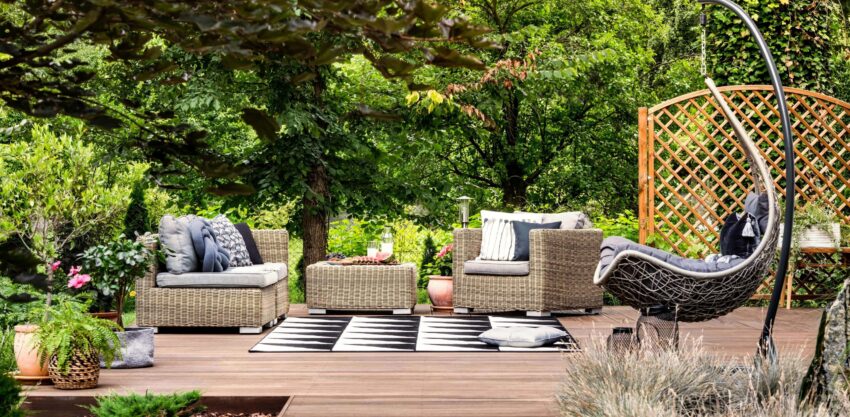
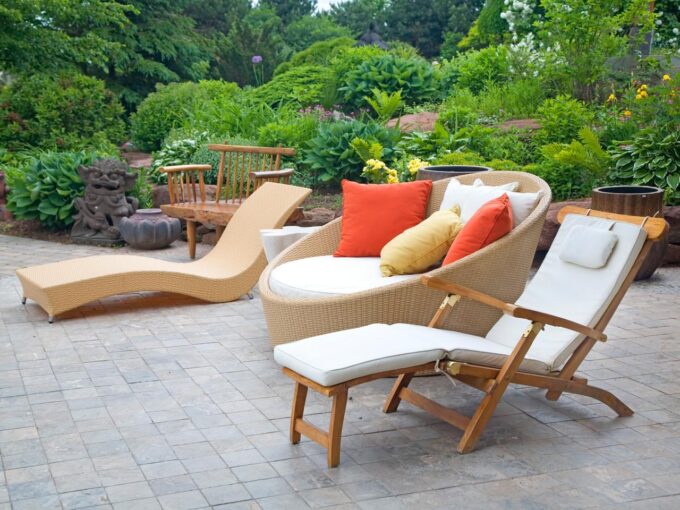
One often-overlooked element is outdoor furniture. However, choosing the right garden chair, lounge bench, or outdoor seating area can have a significant impact on both physical health and mental well-being.

The Relationship Between Outdoor Furniture and Mental Relaxation

Comfortable furniture directly helps the body enter a relaxed state.

1. Creates a Calm Zone for the Mind

When the body is in an ergonomic position, the parasympathetic nervous system becomes more active. This system is responsible for relaxation responses such as a more stable heart rate and deeper breathing.

2. Supports Connection with Nature

Sitting outdoors and feeling the breeze, hearing the rustling of leaves, or seeing the sunlight has a powerful calming effect. Outdoor furniture makes these experiences longer and more comfortable, allowing the body enough time to adapt to the natural environment.

3. Reduces Stress Naturally

An outdoor environment with comfortable seating can provide an escape from daily pressures. Even simple activities like reading a book in a garden chair or enjoying afternoon tea on the terrace can reduce stress levels.

See also : Best Ergonomic Home Furniture to Relieve Back Pain

The Impact of Outdoor Furniture on Physical Health

Not only mentally, but the body also benefits directly from using proper outdoor furniture.

1. Supports Healthy Posture

Ergonomic furniture helps maintain a natural spine position. Chairs with an appropriate backrest angle can reduce pressure on the back and neck, especially for those who frequently sit indoors for long periods.

Good posture is directly related to:

  • Reduced muscle pain
  • Improved blood circulation
  • Optimal breathing

2. Encourages Light Activity

Having a comfortable outdoor seating area encourages people to get outside more often. Light activities such as walking in the garden, sitting and stretching, or simply breathing in the fresh air help keep the body active.

3. Exposure to Fresh Air

Being outdoors improves the quality of oxygen inhaled. Fresh air helps lung function and improves mental clarity. Outdoor furniture allows people to enjoy the fresh air for longer periods without feeling tired.

Types of Outdoor Furniture that Support Relaxation

Choosing furniture isn’t just about aesthetics, but also the experience you want to create. Here are some types known to support comfort and health.

1. Lounge Chair

Designed to support the body in a relaxed position, thanks to its soft cushions for back support.

Key Benefits:

  • Can reduce muscle tension.
  • Place in a quiet outdoor space for meditation

2. Park Bench

While a classic choice, a park bench also offers numerous benefits for the body.

Main benefits:

  • Supports natural posture
  • Ideal for casual social interactions
  • Easy to place in various areas

3. Hammock or Swing

The gentle motion of a swing has a calming effect on the nervous system. This sensation is often associated with deep relaxation.

Main benefits:

  • Helps relieve stress
  • Calms the mind with natural rhythms
  • Perfect for short breaks

4. Outdoor Daybed

Provides space to fully recline. Very effective for total body relaxation after physical activity.

Main benefits:

  • Supports energy recovery
  • Perfect for short naps
  • Provides the comfort of a private outdoor space

5. Park Benches

While a classic choice, park benches also offer numerous benefits for the body.

Key benefits:

  • Supports natural posture
  • Ideal for relaxed social interactions
  • Easy to place in various areas

6. Hammock or Swing

The gentle motion of a swing has a calming effect on the nervous system. This sensation is often associated with deep relaxation.

Key benefits:

  • Helps relieve stress
  • Calms the mind with natural rhythms
  • Perfect for short breaks

The Role of Furniture Materials in Well-Being

Furniture materials also influence the relaxation experience.

Natural Materials

Wood and rattan create a warm and organic feel. This natural touch helps enhance a sense of comfort and connection with the environment.

Weather-Resistant Materials

Furniture that is resistant to heat and rain ensures long-term comfort. When furniture remains stable and safe to use, the relaxation experience is more consistent.

Comfortable Textures

Surfaces that are neither too hard nor too cold help the body adapt more quickly. Cushions made of breathable materials also support comfort in hot weather.

Practical Tips for Choosing Wellness-Focused Outdoor Furniture

To truly experience the benefits, furniture selection requires considering several important factors.

1. Prioritize Ergonomics

Ensure the backrest follows the curves of the body and the seat height aligns with the natural knee position. Ergonomic furniture reduces pressure on joints.

2. Adapt to the Relaxation Function

Determine the primary purpose of the outdoor space: reading, meditation, conversation, or rest. Furniture choices will vary depending on your needs.

3. Consider Air Circulation

Furniture should not impede airflow. A spacious space enhances psychological comfort.

4. Choose Calming Colors

Neutral and natural colors like wood browns, creams, or soft greens help create a calming atmosphere.

5. Create an Inviting Space

Add supporting elements like pillows, plants, or soft lighting to enhance the relaxing effect.

Outdoor furniture is not just a decorative element, but a tool that can significantly impact physical and mental health. Through ergonomic design, natural materials, and a connection to the outdoors, outdoor furniture helps the body enter a deeper state of relaxation.

By choosing the right furniture, outdoor spaces can transform into places of energy recovery, stress reduction, and long-term well-being. In the fast-paced modern world, bringing comfort to the outdoors can be a simple step that has a significant impact on health.

Frequently Asked Questions

  1. How does outdoor furniture improve mental health?

Comfortable outdoor furniture encourages relaxation in fresh air, which helps reduce stress, calm the nervous system, and improve mood naturally.

  1. What type of outdoor furniture is best for relaxation?

Ergonomic lounge chairs, hammocks, and cushioned seating are ideal because they support the body properly and allow muscles to release tension.

  1. Can outdoor seating improve physical health?

Yes. Properly designed furniture supports posture, improves circulation, and encourages light physical activity like stretching or mindful breathing outdoors.

  1. Why are natural materials recommended for outdoor furniture?

Natural materials such as wood or rattan create a warm, calming atmosphere and strengthen the psychological connection between humans and nature.

  1. How often should I use my outdoor space for health benefits?

Spending even 15–30 minutes daily in a comfortable outdoor setting can help restore energy, improve focus, and support overall well-being.

Best Ergonomic Home Furniture to Relieve Back Pain
Posted in

Best Ergonomic Home Furniture to Relieve Back Pain

Back pain is one of the most common musculoskeletal complaints experienced by adults, especially those who spend a lot of time sitting or lying down with inadequate body support. One major factor that is often overlooked is the quality and design of home furniture. Non-ergonomic furniture can cause excessive pressure on the spine, muscles, and joints, worsening muscle tension and postural imbalances.

In contrast, ergonomic furniture is designed to support the natural structure of the human body, maintain spinal alignment, and distribute weight optimally. Investing in ergonomic furniture not only increases comfort but also contributes to long-term health, particularly in reducing and preventing back pain.

This article discusses the best types of ergonomic home furniture designed to support back health based on modern ergonomic design principles.

Ergonomic Principles in Home Furniture

Ergonomics is the science that studies the relationship between humans and their physical environment, with the goal of creating safe, comfortable, and efficient conditions. In the context of home furniture, ergonomic principles focus on the compatibility of furniture design with the natural posture of the human body.

Some basic principles of ergonomics include:

  • Maintaining the natural curvature of the spine
  • Reducing pressure on the body’s fulcrum
  • Supporting neutral joint alignment
  • Adjusting the height and angle of furniture to suit body proportions

Ergonomic Office Chairs for Spinal Support

Office chairs are one of the most influential pieces of furniture for maintaining good back health, especially for individuals who frequently sit for extended periods. Ergonomic chairs are designed to provide comprehensive support for the lower, middle, and upper back.

Key Features of Ergonomic Chairs

Ergonomic chairs typically have backrests shaped to follow the natural curve of the spine. Lumbar support is an important component because the lower back area is the most vulnerable point to pressure.

Benefits for Back Health

With proper support, an ergonomic chair helps maintain a neutral sitting position so that muscles don’t overwork to maintain posture. Equal distribution of pressure on the pelvis and thighs also reduces the risk of spinal compression.

Adjustable Desks for Balanced Posture

Height-adjustable desks are an essential component of modern ergonomic furniture systems. The flexibility of height adjustments allows for optimal alignment between sitting, hand, and eye alignment.

See also : How Outdoor Furniture Enhances Health and Relaxation

Characteristics of Ergonomic Desks

Adjustable desks allow for changes in position from sitting to standing. The desk surface is designed to support the arms parallel to the work surface, so the shoulders remain relaxed and not raised.

Impact on the Spine

When the desk is at an appropriate height, the spine is not forced to bend forward or hunch over. A more upright posture helps reduce pressure on the intervertebral discs and maintains back muscle balance.

Ergonomic Mattresses for Body Support While Resting

Mattress quality plays a significant role in back health because the body spends a significant amount of time lying down. Ergonomic mattresses are designed to provide a balance between support and comfort.

Ergonomic Mattress Structure

Ergonomic mattresses have a firmness level that supports spinal alignment without causing excessive pressure points. Modern materials such as memory foam or adaptive spring systems can adapt to the body’s shape and maintain even weight distribution.

Effect on Muscle Recovery

Proper support during rest helps back muscles relax optimally. A stable spinal position during sleep contributes to the recovery process of muscle and joint tissue.

Support Pillows for Neck and Back Stability

Ergonomic pillows provide additional support, keeping the head and neck aligned with the spine. An incorrect neck position while lying down can cause tension that radiates to the lower back.

Ergonomic Pillow Design

Ergonomic pillows typically have a special contour that follows the natural curve of the neck. Pressure-responsive materials allow for balanced head weight distribution.

Role in Reducing Muscle Pressure

By maintaining proper alignment between the head, neck, and back, ergonomic pillows help reduce pressure on soft tissues and prevent sleeping positions that trigger muscle tension.

Footrests for Body Weight Distribution

Footrests, or footrests, are often considered accessory items, but they play a crucial role in the ergonomics of sitting. Dangling or unstable foot positions can affect pelvic and spinal balance.

Structural Function of Footrests

Footrests support the soles of the feet, keeping the knees at a stable angle. This position helps maintain pelvic balance and reduces pressure on the lower back.

Contribution to Sitting Posture

When the legs are properly supported, the upper body doesn’t need to compensate for any imbalances. This helps maintain overall spinal alignment.

Ergonomic Sofas for Support While Sitting Relaxed

Sofas are the main furniture in the living room and are often used for long periods of time. Ergonomic sofas are designed to provide comfort while maintaining a healthy posture.

Characteristics of Ergonomic Sofas

Ergonomic sofas have a proportional seat depth, a backrest with a supportive angle, and cushions that are not too soft. Their internal structure is designed to prevent the body from sinking excessively.

Contribution to Back Health

Stable support for the pelvis and back helps maintain a neutral spine position. This reduces pressure on the back muscles, which typically increase when sitting on surfaces that are too soft.

Ergonomic home furniture plays a crucial role in maintaining spinal health and reducing the risk of back pain. Choosing the right furniture isn’t just about aesthetics or momentary comfort, but rather an investment in overall quality of life and physical well-being.

Ergonomic furniture represents a human-centered design approach, where health and function are the top priority in every element of a living space.

Frequently Asked Questions

  1. What is the main goal of ergonomic furniture?

Ergonomic furniture is designed to support natural body alignment, reduce strain on muscles and joints, and promote healthier posture during daily activities.

  1. How often should I change my sitting position?

It’s recommended to shift posture or stand briefly every 30–45 minutes to prevent stiffness and improve circulation.

  1. Is standing all day better than sitting?

Not necessarily. Alternating between sitting and standing is more effective than staying in one position for long periods.

  1. Do small ergonomic accessories really help?

Yes. Items like lumbar cushions and footrests can improve alignment and comfort, especially when larger furniture cannot be adjusted.

  1. How long does it take to notice improvement?

Many people feel reduced discomfort within days, but consistent habits over several weeks provide more lasting relief.