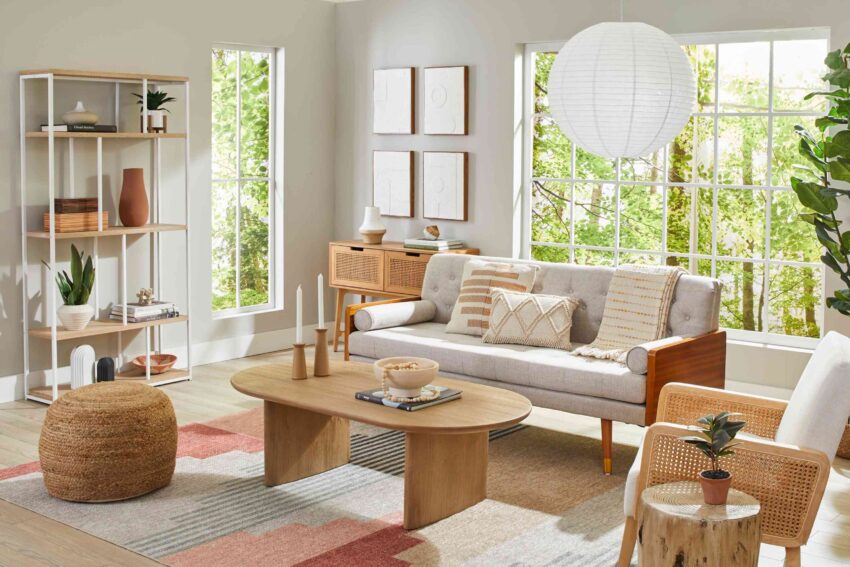
Tips and Minimalist Home Furniture Ideas for Limited Spaces
Posted in

Tips and Minimalist Home Furniture Ideas for Limited Spaces

Facing a limited space doesn’t mean you have to sacrifice comfort. With the right approach, the room design in a narrow house can look neat, functional, and still warm for dining moments together.

It is true, a narrow space often becomes a problem for you to be creative in decorating the house. But you don’t need to feel confused anymore. Nowadays, there is already a lot of furniture that is suitable to use for outsmarting a house with a minimalist space.

The key is choosing proportional furniture, keeping the circulation, and maximizing the walls and lighting. So, in this article, we will give some minimalist and multifunctional furniture that you can consider when decorating a house with limited space.

Minimalist Furniture for a Narrow Living Room
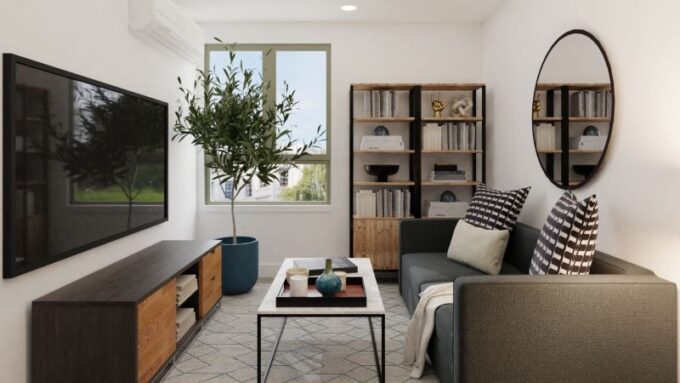
To make it easier, let’s start with the front-most room of a house, which is the living room. There are several recommendations for minimalist and multifunctional furniture for a living room with limited space. Here is the review.

Minimalist Sofa with Open Legs

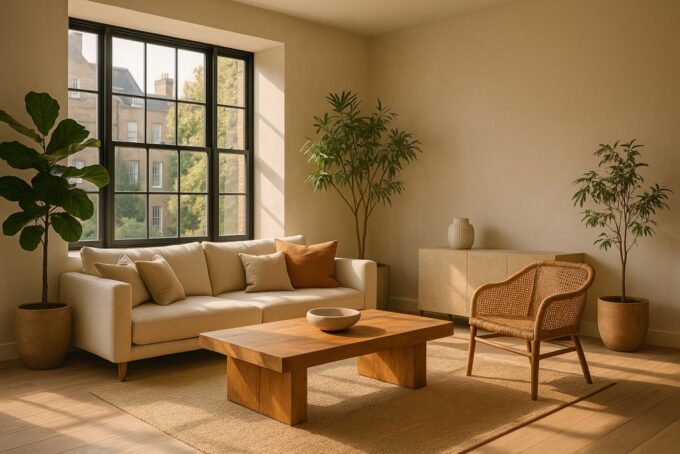
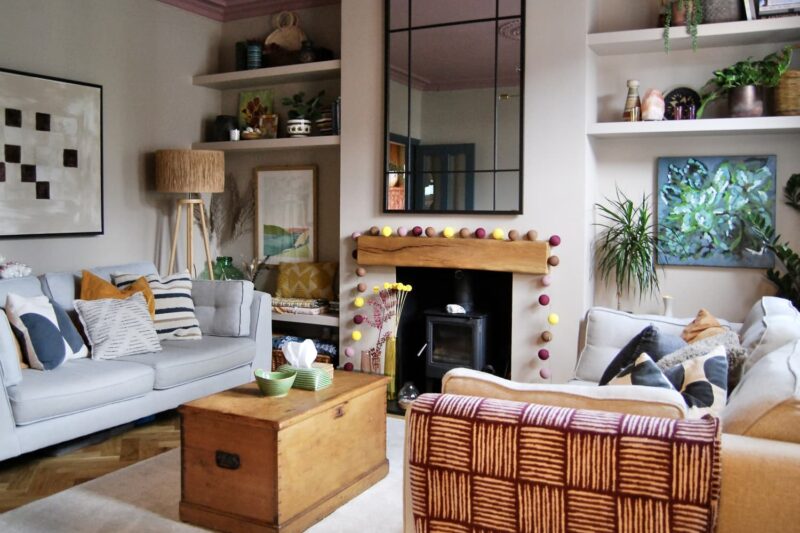
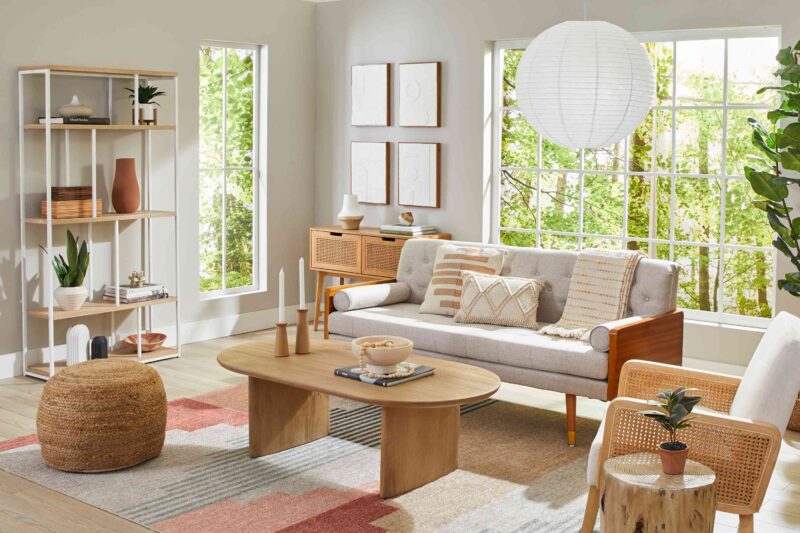
Avoid choosing a sofa that is big, thick, and looks solid because it will make the room feel stuffy. Choose a minimalist sofa with a slim and proportional design. The important tip is choosing a sofa that has slim legs that are clearly visible, because by showing the floor underneath, the eye will catch the illusion of a room that is more “light,” wide, and not crowded.

Besides that, you can consider using a sofa with a low backrest or without arms to keep the view open, and choosing fabric material with a smooth texture in neutral colors that match the wall color so the furniture seems to blend with the space and does not dominate visually.

Utilize the Wall

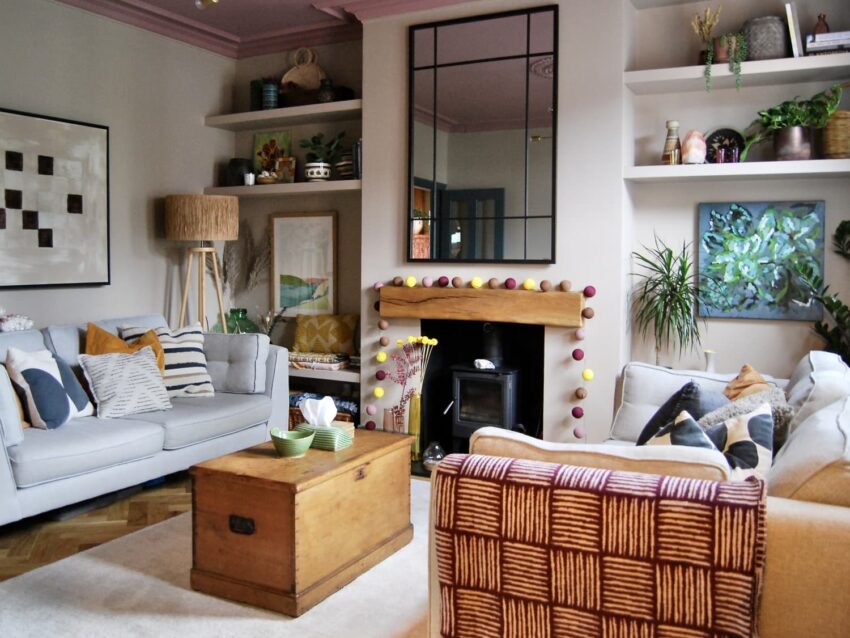
If the space on the floor is limited, maximize the potential of your walls. Use floating shelves to put books or decorations to pull the eyes upward and make the ceiling feel higher, while effectively reducing the need for big cupboards or shelves that take up floor area.

For a more dramatic result, you can install those shelves until they are near the ceiling or use high vertical shelves to create a straight line that emphasizes the room’s volume.

Besides shelves, consider also using wall lamps (sconces) or big frameless mirrors hung strategically, because besides saving space, these elements can reflect light and give extra visual depth that makes a narrow room feel much more spacious.

See also : 5 Outdoor Living Space Ideas and Tips for Modern Lifestyle

Use Multifunctional Tables

Every piece of furniture in a small room must have more than one function to maximize space efficiency. Choose a coffee table equipped with hidden storage drawers underneath, or use an ottoman (small stool) that can switch functions as an extra seat, side table, or storage for magazines and other personal items.

As an additional idea, you can consider using a folding table attached to the wall or a slim console table that can be opened into a big dining table when needed, so the floor area stays clear when the furniture is not in use.

Also, make sure the furniture has locking wheels or a lightweight design so it is easy to move, creating a more flexible and dynamic space according to your daily activity needs.

Furniture’s for Dining Room and Living Room

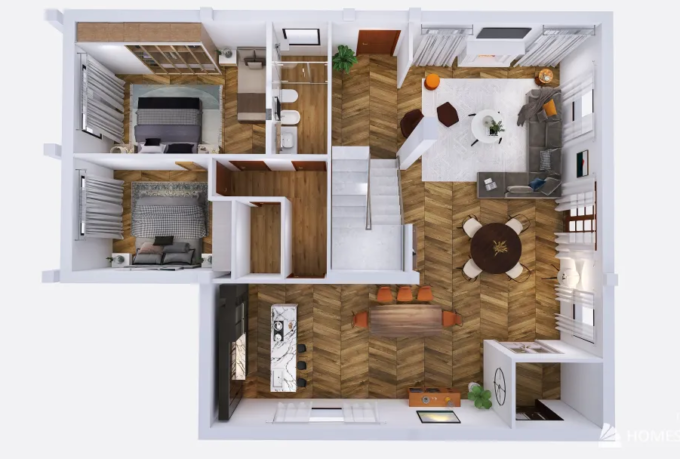
For the guest room (living room), maybe there are only a few furniture choices because basically the guest room is only for guests to visit. However, the dining room and living room definitely have more furniture choices because we cannot deny, the family will surely spend a lot of time in the living room and dining room.

So, straight to it, here are some minimalist furniture recommendations for the dining room and living room.

Corner Bench (Banquette)

Change an unused corner into a built-in bench with extra storage cabinets underneath. This long seat gives more sitting capacity without taking up floor space, while also removing wasted empty areas.

As an additional idea, use a design without a thick backrest so it stays slim, and add top-load hinges on the seat so the area underneath can be a secret warehouse for big items that are rarely used. This strategy is effective for creating a functional area that blends with the building structure, so the room stays looking neat and airy.

Slim Bar Table/Console

For a narrow room, you can use a bar table for the dining area together without taking up too much space.

To be more efficient, choose bar chairs without backrests (stools) that can be tucked completely under the table when not in use, so the traffic path stays clear.

As an additional idea, you can install a folding bar table attached to the wall or utilize the back of the sofa as a bar table support, creating a dining zone as well as a functional working station without needing a separate room.

Sofa Bed

A sofa bed is a smart solution for a living room that also functions as a guest sleeping area, where during the day it becomes a comfortable seat and at night it is just rolled out to be an extra bed.

Choose a sofa bed with a minimalist design and neutral colors so it is easy to match with other decorations, and prioritize models that have extra storage space under the seat to store pillows or blankets.

As an additional idea, make sure the folding mechanism is easy to operate so it doesn’t damage the floor, and add a thin mattress topper that can be stored when not used to increase sleeping comfort without having to buy a permanent mattress that takes up space.

Minimalist and Multifunctional TV Shelf

Avoid using big and thick TV buffets because they will dominate the room visually. Choose a minimalist TV shelf with a slim design or a model that attaches directly to the wall (wall-mounted) to free up the floor area underneath.

Make sure the shelf has a good cable management system so there are no messy cables that ruin the view and the neat impression.

As an additional idea, you can choose a shelf with sliding doors or dark glass material to hide electronic devices inside, and add LED strip lighting at the back of the shelf to give a dimension of depth and a floating effect that strengthens the modern and wide impression on the wall.

Frequently Asked Questions

  1. What kind of sofa is best for a small living room?

A minimalist sofa with slim open legs, low backrest, and neutral colors works best because it creates a lighter and more spacious visual effect.

  1. How can I maximize wall space in a narrow room?

Use floating shelves, vertical storage, wall lamps, or large mirrors to save floor space while adding height and depth to the room.

  1. What furniture is recommended for multifunctional use?

Items like coffee tables with hidden storage, ottomans, folding wall tables, and lightweight movable furniture are ideal for small spaces.

  1. How can I create an efficient dining area in a limited room?

Use a corner bench with built-in storage or a slim bar table paired with backless stools that can be tucked in completely.

  1. Why is a sofa bed useful for small homes?

A sofa bed functions both as seating and an extra sleeping area, making it a practical solution for multipurpose rooms without taking up additional space.
5 Outdoor Living Space Ideas and Tips for Modern Lifestyle
Posted in

5 Outdoor Living Space Ideas and Tips for Modern Lifestyle

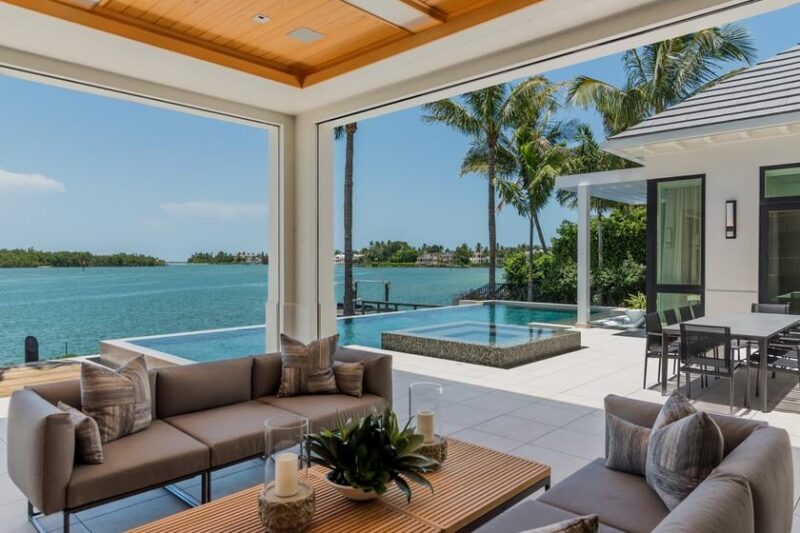
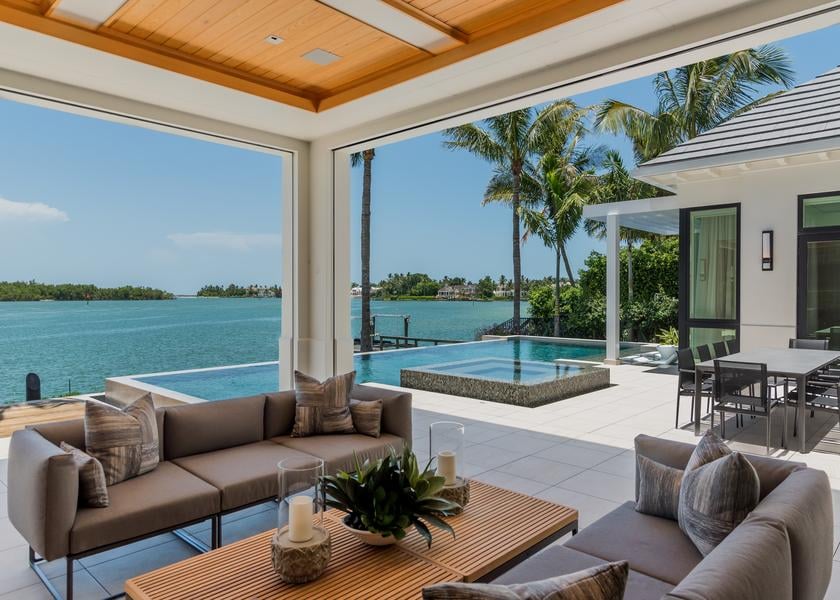
Have you ever imagined the excitement of relaxing in an open living room while enjoying the gentle breeze and fresh natural atmosphere? Now, you don’t have to just imagine it. The outdoor living room trend is increasingly popular because it provides a different experience compared to ordinary living rooms.

Besides making the house feel more spacious and alive, this concept is also an ideal place to gather with family or entertain guests in a more relaxed atmosphere.

Uniting Natural Elements with Modern Comfort

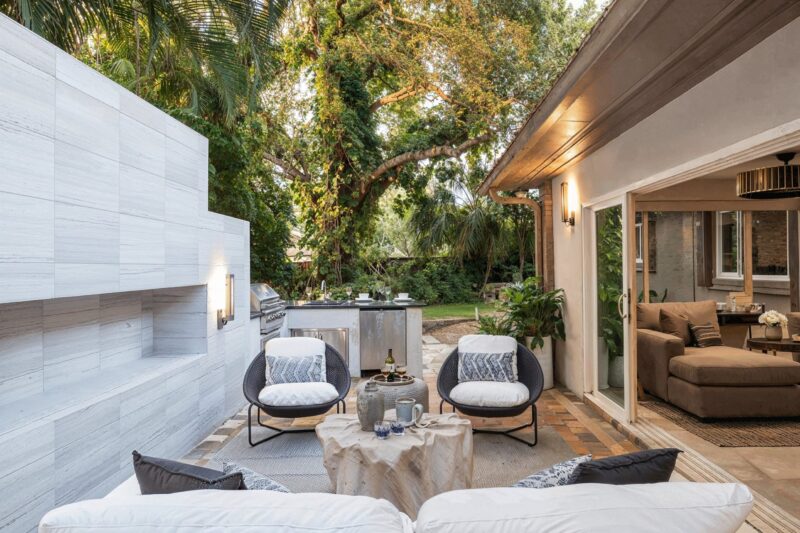
One important aspect of minimalist outdoor living room design is blending natural elements with the comfort of modern design. The use of ornamental plants, furniture made of iron or wood, and natural lighting such as porch pole lamps, will create a warm and refreshing atmosphere.

An outdoor living room interior design that merges with nature also gives a more spacious and refreshing impression. Outdoor rugs and decorations in the form of decorative accessories can also add beauty and comfort to your living room.

With careful planning, an outdoor living room can become a comfortable place to relax with family or entertain guests. If you are looking for outdoor living room inspiration that suits your home style, this article is ready to help you find a design that is right, comfortable, aesthetic, and remains functional. Let’s take a peek at some interesting ideas you can try!

1. Refreshing Tropical Theme

If your home is in an area that tends to be hot or close to nature, the tropical style can be a very inspiring choice. Bring a fresh atmosphere with tropical plants such as palms, monstera, or ferns as the main decorative elements. Pair them with modern rattan furniture, natural-textured wooden tables, and a large umbrella or stylish canopy to bring a resort-style vacation vibe to your own home.

Use a color palette of natural nuances, green, brown, and cream, to emphasize a tropical character that is warm yet remains elegant. This outdoor living room inspiration is perfect for those who want to enjoy a relaxed, restful, and modern lifestyle every day.

See also : Tips and Minimalist Home Furniture Ideas for Limited Spaces

2. Warm Rustic Theme

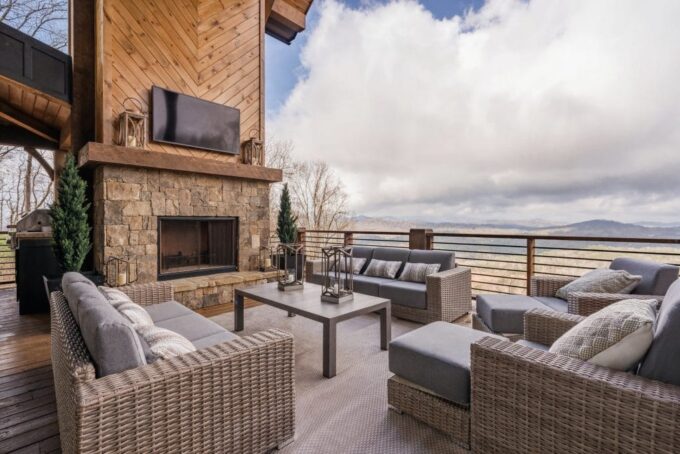
Modern rustic style now arrives to provide a warm impression that remains relevant to today’s fast-paced lifestyle. To create an aesthetic outdoor living room, use sustainable natural materials such as recycled wood, rattan, and organic linen. Choose furniture with an earthy color palette like walnut brown, cream, or terracotta, which are very Instagrammable for modern dwellings.

To perfect the cozy evening atmosphere, add smart lighting in rattan lanterns as well as calming soy-wax aromatherapy candles. This space becomes not only a romantic gathering area but also a perfect oasis for healing and slow living to enjoy quality time with loved ones amidst the urban hustle and bustle.

3. Bohemian Theme

For those of you who enjoy self-expression through designs full of color and character, the modern boho-chic style is the right choice to support a creative lifestyle. This design blends handcrafted accessories such as ethnic-patterned pillows, macramé knit rugs, and aesthetic hanging lamps to create a chill atmosphere that is artistic yet functional.

A bohemian touch will transform your outdoor living room into a charming oasis full of warmth, perfect as a pleasant healing spot for family and colleagues. With flexible and multitasking furniture arrangements, this area becomes not only a relaxation space but also an inspiring corner that makes you want to stay for a long time, whether just to read a book or for a relaxed deep-talk session.

4. Scandinavian Theme

Scandinavian design or Scandi-style is now a top choice for followers of a minimalist lifestyle who prioritize simplicity and functionality without ignoring aesthetics. By combining furniture made of light wood and a soft pastel color palette, your outdoor living room will radiate a neat, modern, and very clean impression.

This theme highlights the lagom principle, the perfect balance between utility and beauty, making it very suitable for those who want an outdoor space that is practical, elegant, and easy to maintain amidst a busy urban lifestyle.

The use of space-saving furniture that fits the scale of the room also helps you maximize every corner of the outdoor area, making it an efficient place for both casual work (WFH) and enjoying quality moments of tranquility.

5. Gazebo Model Outdoor Living Room

If you crave an outdoor living room that supports an all-weather lifestyle without being hindered by the weather, a modern gazebo model is the right smart living solution. With a high roof design for maximum air circulation, you can add an aesthetic ceiling fan to keep it cool during hot days.

The open-side concept provides a spacious borderless impression, while the installation of smart lighting with soft warm white light will create a romantic and cozy atmosphere for night talk sessions.

To blend further with the natural elements in the backyard, the use of natural stone flooring provides a luxurious yet low-maintenance texture, perfect for those who want a functional yet elegant relaxation corner at home.

A Few Tips to Make an Outdoor Living Room More Comfortable

To make an outdoor living room feel more comfortable, there are several tips you can apply. Here are some things you might consider:

Consider A Vertical Garden

To give a natural impression to the outdoor living room, consider adding a vertical garden. By growing ornamental plants on walls or fences, you not only provide visual beauty but also improve the air quality around the room.

Using Outdoor Rugs for Comfort

Outdoor rugs are an important element in outdoor living room design that is often overlooked. With weather-resistant outdoor rugs, you can add comfort and beauty to your minimalist living room. These rugs not only provide comfort for the feet but also help beautify the look of the room and add a warm texture to your living room terrace design.

Plants As Natural Decoration for The Outdoor Living Room

Plants are an element that should not be forgotten in minimalist outdoor living room design. Green plants can provide natural freshness and improve air quality. Ornamental plants are an essential element in outdoor living room design that can provide a natural and fresh touch.

Frequently Asked Questions

  1. What is an outdoor living room?

An outdoor living room is an open-area space designed for relaxing, gathering, or entertaining guests while enjoying fresh air and natural surroundings.

  1. What themes work best for an outdoor living room?

Some popular themes include tropical, rustic, bohemian, Scandinavian, and modern gazebo-style designs.

  1. How can I make my outdoor living room feel more comfortable?

You can add outdoor rugs, choose cozy seating, use warm lighting, and include natural elements like wood, plants, and textured accessories.

  1. What plants are suitable for outdoor living room decoration?

Plants such as palms, monstera, and ferns work well as natural decor to create a fresh and lively atmosphere.

  1. How do I maintain a functional yet aesthetic outdoor living room?

Use durable outdoor furniture, select weather-resistant materials, apply space-saving layouts, and incorporate natural elements like vertical gardens or stone flooring.

Interior Design Apps For Outdoor Patio Setup: Best Choices
Posted in

Interior Design Apps For Outdoor Patio Setup: Best Choices

Designing your dream patio can be easier with advanced design apps. This post is for those who want to know the reliable interior design apps for outdoor patio setup. Use these apps to help you customize your design vision and determine the right budget for it.

What Are the Interior Design Apps for Designing Outdoor Patios?

Not all design apps are difficult to use; some are beginner-friendly, so you don’t need to learn a lot first to design your dream patio. For professional exterior designers, these apps can be very helpful. Don’t just explain verbally or show sketches; that’s not enough.

Contractors need more than that, so you need clear and comprehensive visualizations of your design. Outdoor patio design apps can provide details you may not have thought of before. As an architect, I will share my recommendations for apps to plan your outdoor patio.

SmartDraw

One of the best interior design apps for outdoor patio setup is SmartDraw. Explore various advanced features that effectively design your dream outdoor patio. The customization features in this app make it easier for you to adjust your vision. You can design patio plans, landscape designs, plant configurations, and much more.

The extensive style and graphics library makes it easier for you to develop your design ideas. Just drag and drop, add the elements you need for your patio, be it water features, buildings, and plants. If you are a beginner, try the first templates that are also available on this platform.

For professionals, you can use real-time collaboration and choose from multiple export options, including PNG, JPG, and PDF.

myGarden from GARDENA

Despite its sophisticated features, myGarden remains user-friendly. On the left side, some menus are easy to understand, even for beginners. You can add furniture, houses, beds, plants, and even grass.

All elements can be customized in terms of rotation, position, and size. If you want to add the same item, simply copy and drop it at the desired point. MyGarden is a sophisticated app for a free app, but it is not ideal for professionals who need more advanced features and more detailed designs.

Marshalls – Outdoor Reality

One of the reliable interior design apps for outdoor patio setup is Marshalls Outdoor Reality, which you can access using your mobile device. This app supports integrated AR and fairly accurate 3D dimensions. AR technology allows you to create 360-degree design visualizations in real time.

However, you may need to purchase certain in-app packages if you want flexibility in designing your patio. This app is best suited for visualizing paving and patio designs. The measurement features in this app are advanced, so the results are accurate and reliable for project needs.

For designers working with contractors, they can assist with budget adjustments. Users can also order the products they need directly from the app.

See also : The Best Home Design Apps for Furniture Planning in 2026

DecorMatters

If you are looking for an app that is easy to understand and use, DecorMatters is one of the recommendations for beginners. One of the reasons is that the interface is deliberately made simpler so that the design process is also simpler. You can start by inputting the type of patio and its size to begin designing.

The AR feature in DecorMatters is also reliable with optimal visualization (real-time +360 degrees), accurate measurements, and an AR ruler. Not all apps have an active community, but DecorMatters is one of them. You can join to gain valuable insights and share designs.

ZWCAD

One of the things you can rely on from ZWCAD is how powerful its 3D rendering system is. The result is a highly realistic visualization of the outdoor patio. You can easily customize several patio elements, including adjusting textures or materials.

Thanks to the enhanced preview function, you can easily view the entire design. For first-time users, you can start by selecting one of the templates and getting creative from there.

Cedreo

For those unfamiliar with complex patio design, Cedreo is a great choice. The Cedreo library offers a wide selection of textures and materials. Users can also choose from various templates to make designing projects easier. This app provides realistic 360-degree panoramas for better visualization.

These are all interior design apps for outdoor patio setup that you can rely on.

Frequently Asked Questions

What does “landscape apps” mean?

This app can help you plan various outdoor spaces, including patios, gardens, and more. You can get a visual representation of these spaces on your gadget screen and export them as well.

Are there any free apps for landscape design?

Yes, some apps are free to access, including those for optimal rendering, but not all of them. Many apps require users to purchase a paid subscription to access all features.

How do I plan an outdoor patio setup?

Depending on how you use the patio, set up a gathering area that is spacious enough if there are more people. You can create not just one, but several areas with different vibes for a more unique experience.

What are the essentials in planning an outdoor patio?

Include the following details when designing an outdoor patio:

Canopy bed

Table arrangement

Dining chairs

Decorative lighting

Outdoor rugs

Pots and plants

Paving paths

Artificial grass

Conversation area

What are the mistakes to avoid when designing an outdoor patio layout?

Avoid designing a layout that is too crowded with too many elements, especially paving paths. Ensure there is still enough space to move around and rearrange furniture.

Can you design a patio with AI?

Yes, many design apps are powered by AI features to make it easier to plan an outdoor patio. You can explore many interior design apps for outdoor patio setup, including materials, styles, and layouts for your dream patio design.

The Secret Business Behind Nightlife Venues
Posted in

The Secret Business Behind Nightlife Venues

Do you wonder why nightlife experience like Speakeasy bar Jakarta is so popular? There are certain business secrets you need to know about why nightlife venues often become destinations for so many people. Not every nightlife spot is the same, in fact, they can be very different. In this post, you’ll learn how the business operates at nightspots.

The Rising Popularity of Nightlife Venues

In the nightlife world, you can enjoy delicious drinks with entertainment like live bands, DJs, and dancing. The success of a nightlife spot hinges on strict and meticulous business management. Without prioritizing regulations, comfort, and a diverse drink selection, a nightspot won’t last long.

Yes, one of the reasons why nightlife venues are increasingly popular is because of their top-notch management. They must ensure all permits operate smoothly. The same goes for meticulous financial management to ensure profitability while remaining competitive.

While nightlife spots must remain transparent, they shouldn’t be overly so. Some nightspots need to respect the local culture, especially regarding the lives of young people. Another factor driving the popularity of nightlife venues is lifestyle.

More and more people are making these places their destination for a more exciting lifestyle. Some nightlife spots have become very famous because of social media posts. This is indeed an important factor, but it must be accompanied by quality as well.

Nightspots must not become stagnant in managing their businesses. Sometimes, a significant investment or innovation is needed to introduce something new. Regulations regarding the nightlife experience are also becoming more flexible now. As long as all permits are complied with, nightlife venues can operate smoothly.

The Business Model Behind Nightlife Venues

There are quite a few challenges in managing nightlife spots. They must have a strong business model to anticipate various risks and ensure sustainability for years to come.

Streamlined Operations

Nightspots must rely on trained staff for every position, from bartenders to cleaning services. They must not only know service standards but also anticipate various risks. In the nightlife world, security risks are much higher than in other venues.

Risks such as theft or altercations between guests can be managed by security personnel. Installing surveillance cameras in strategic locations helps monitor high-traffic areas. Security staff must handle problematic visitors professionally and be ready to remove them from the premises if necessary.

Approach to Trends

If a nightlife venue wants to remain popular in the future, it needs to keep up with the latest trends. This industry is not always the same; in fact, it can change significantly at times. To anticipate these dynamics, nightlife venues must know which trends to follow.

Music trends, such as live DJs playing trending songs, are important to consider. If you want to feature a live band, they must perform songs that align with the venue’s concept. For example, a Speakeasy bar Jakarta is better suited for jazz music.

The key is for nightlife venues to understand what kind of entertainment visitors prefer. Additionally, nightlife spots need to adapt to transaction trends to make things easier for customers, such as table service and cashless payments.

Careful Site Selection

The location can significantly impact the smooth operation of a nightspot. If the location is easily accessible and well-received by the local community, the nightlife venue can operate continuously. Choose a location that is typically bustling with people, such as downtown areas, even if it means paying more for the land.

People will be reluctant to visit a nightlife spot if it is hard to reach. Not only is public transportation access important, but the quality of infrastructure is also crucial. They might change their minds if the route is unclear, there are no directional signs, and the roads are in poor condition.

Compelling Identity

If a nightspot wants to attract many visitors, make it different from the norm. Being creative or unique is often essential to strengthening a nightlife venue’s identity. This isn’t too difficult for professionals, as there are so many concepts to consider.

The concept must be chosen according to the type of nightlife spot, whether it’s a beach club, a Speakeasy bar, or another venue. One example is featuring specific music genres like jazz or rock. Understanding the target audience can help the venue determine what its identity should be.

After thorough consideration, the concept must be consistently delivered to ensure a comfortable experience for visitors. Visitors will also find it easier to remember a nightlife venue if it successfully conveys a strong identity.

Approach to Guest Satisfaction

How can a nightlife spot know what visitors need most? The key is to understand their perspective from the moment they enter the venue, through ordering, seating, enjoying the entertainment, and so on.

Don’t just focus on the identity but also on how guests can fully enjoy the nightlife experience. Pay attention to how staff serve guests, whether they’re quick and friendly or not. The better the service, the more likely visitors are to return another time.

Often, poor customer service makes visitors reluctant to return and may even lead them to share their negative experiences with many others. On another note, we must understand guests’ opinions regarding entertainment. What do they most look forward to in this aspect, whether it’s EDM music, live bands, energetic dancers, or other forms of entertainment?

Data-Driven Marketing Approach

Don’t underestimate the power of marketing in this digital age, its impact is immense. Even if a nightclub has everything from top-notch service and entertainment to great drinks, it’s all for naught if no one knows about it. Promotional strategies must be targeted and effective across various platforms.

Make every post engaging and professional. Partnering with influencers who have a large following is another effective strategy. Create special promotional programs, such as drink discounts during specific hours or drink packages.

Permit Compliance

One of the challenges in managing a nightlife venue is adapting to the surrounding area. They must comply with all local regulations to ensure the business runs smoothly. All permits must be processed promptly to avoid future issues.

The legal team must be skilled in handling all permits. Do not let even a single one slip through the cracks, as it could have significant consequences down the line. Like a Speakeasy bar Jakarta, there are quite a few permits that need to be processed in this metropolitan city. These include business licenses, social permits, alcohol sales permits, entertainment permits, and so on. That’s all about the business model behind nightlife venues.

The Best Furniture Layout Apps for Small Apartments or Homes
Posted in

The Best Furniture Layout Apps for Small Apartments or Homes

If you are planning a room design, you need furniture layout apps for small apartments. This post is dedicated to those who have small rooms or apartments and want to be smart about placing furniture in a minimalist room.

List of Furniture Layout Apps for Small Apartments

Planning furniture is important for the comfort of a room. Furniture is indeed important in a room because it can increase functionality. But each piece of furniture must be selected selectively according to the condition of the room and placed in the right spot.

As an interior designer, I will share some apps that you can rely on for planning room furniture. These apps can be used to visualize the space to make it easier to plan furniture. Some can be used on a PC, and others are available for mobile users.

Design Dimensions

One of the furniture layout apps for small apartments is Design Dimensions. Released more than 10 years ago, Design Dimensions is still relevant for interior design today. With its minimal size, there are many features you can take advantage of in this app.

Many categories can help you plan your room. Design Dimensions provides estimation and design categories to make it easier to customize your vision. More than just managing furniture in a room, Design Dimensions is also ideal for other spaces.

This app can help you design bathtubs in bathrooms, electronic equipment in workspaces, outdoor gardens, and parking spaces. Design Dimensions provides accurate scales and offers a wide range of items.

All items are visualized in 3D, making it easier for you to design. You can search for items more easily because they are listed alphabetically. Whether you are learning interior design or are a professional, Design Dimensions can be your go-to tool.

Box Creator

Box Creator can be used by beginners learning room design or to support designers’ work. There have been many improvements since the app was released in mid-2013. Given its high download count, we can confidently recommend it.

Many users like the level of accuracy in Box Creator, while other apps may fall short in that aspect. Even though it provides advanced features, they are easy to use, even for beginners in design apps. Box Creator can provide precise measurement results, which means it is easier for you to plan your renovation budget.

This app is easy to use, simply input specific furniture items with their dimensions, and the system will adjust all calculations accordingly. Users can share design progress with others via a feature integrated into the chat platform.

See also : Interior Design Apps For Outdoor Patio Setup: Best Choices

Pallet Ideas

Newer than the apps above, Pallet Ideas was released in late 2017 and has become one of the most reliable furniture layout apps for small apartments. You can use this app to add references or get inspiration because there are many fresh ideas to be found.

Pallet Ideas offers a comprehensive and unique selection of models made from pallet wood. Designs range from chairs, tables, pet cages, lamps, and many other categories. You can explore various colors and shapes to find furniture that suits your style.

If you’re working on a project, you can also easily customize furniture details based on the client’s vision.

SketchUp

More and more people are using SketchUp now because the developers have marketed it well. But SketchUp is also excellent software for interior design, whether for managing apartment or house space. You can design more than just room furniture, but also movies, video games, and machine mechanics.

Although it has comprehensive features that seem more ideal for professionals, it is quite easy to use, so beginners can try it out. This app has an easy-to-understand UI and features with clear instructions. More than just having comprehensive functions, SketchUp is capable of producing high-quality visual results down to the smallest details.

If you want to use more advanced features, you can opt for SketchUp Pro, as the free version, “SketchUp Make,” has limited functionality.

Pro100

You can get real design visualizations with the Pro100 app. Yes, not all furniture layout apps for small apartments that you use can show high-quality visuals. Pro100 helps you design living rooms, bedrooms, and even kitchens.

If you are working on an interior design project and want to give your clients the best presentation, Pro100 can be your weapon. Thanks to its powerful rendering, the results are very accurate and realistic, down to the smallest details.

The 3D technology in Pro100 has been enhanced to detect disproportionate spots and export 3D panoramic results. Users can easily replace certain furniture pieces to make them more proportional.

SolidWorks

This app offers comprehensive options to freely customize according to your design vision. You can create various types of furniture and add specific details. Although it offers promising features, SolidWorks is only available for PC users. Enjoy extensive flexibility with this app through its vast catalog and advanced software integration.

Frequently Asked Questions

What apps should I use to create room layouts?

There are many apps you can consider, including:

Morpholio Board

Magicplan

Homestyler

Houzz

HomeByMe

Home Design 3D

Room Planner

What is the use of the Coohom app?

You can use this app to design your home faster. Coohom supports 3D visualization for interior rooms and powerful rendering.

What are some beginner apps for room planning?

One of the best drag-and-drop apps to consider is Roomstyler. This tool has a beginner-friendly interface and features, and you can access it through their website.

Are room/furniture planner apps free?

Some furniture layout apps for small apartments can be used for free with basic features, including 2D/3D visualization and drag-and-drop functionality. With the paid version, you get access to more catalogs, features, and rendering options.

Apps To Measure Room Size For Furniture Placement: Explained
Posted in

Apps To Measure Room Size For Furniture Placement: Explained

Want to know what apps to measure room size for furniture placement are available? You can use these apps as a substitute for a tape measure to manage furniture in a room more efficiently. Now, these apps have been updated to provide advanced features for more precise results.

How Important Are Room Size Measurement Apps for Furniture Planning?

Using room measuring apps is quite easy, especially for standard use. You can install several apps for free on your smartphone. Most require camera access to scan the room. So, how important are these apps for renovations or building rooms?

We can more easily determine the budget if we already have an estimate of the room’s area. The sophistication of room-measuring apps comes from AR technology that supports the scanning process in your room. You don’t need a premium smartphone, as most apps are compatible with standard-spec phones.

These apps have functions ranging from checking whether furniture can fit smoothly into a room to estimating the overall budget for furniture. There is no need to worry because most apps to measure room size for furniture placement are easy to use with fast scanning performance.

However, not all of these apps can provide accurate results. At the very least, these apps can help you measure, visualize furniture, and so on. It is recommended to double-check to ensure the results are accurate.

What Are the Best Apps for Measuring Room Size?

The work of architects or interior designers can be made easier with various relevant apps. As an interior designer, I will share the apps you can rely on to measure room size.

Prime Ruler

Augmented Reality is the most important feature for apps to measure room size for furniture placement. You can rely on the AR feature in the Prime Ruler app to measure rooms with a high degree of precision. Before using this app, make sure you are using a phone that supports ARCore to optimize the AR feature.

So, how do you use Prime Ruler to manage furniture in a room? It’s quite easy; you can point the camera, and it will detect the horizontal plane. The features in this app are quite comprehensive, including height, volume, path, angle, and distance meter. The free features on Prime Ruler mean you don’t have to spend a lot to manage your room design.

MeasureOn

If you need an app that offers complete features for room layout documentation, MeasureOn is one you can rely on. With its wide range of features, you can measure rooms with precision more easily.

However, it takes time to learn all its features. With MeasureOn, you can add separate rooms, notes, photos, and much more.

Magicplan

Another recommendation is Magicplan, which is quite popular and often used by professionals to measure rooms accurately. After you point the camera, Magicplan will work automatically. This app will detect walls and then generate a complete floor plan.

As long as there is sufficient light in the room, you can achieve up to 95 percent accuracy. The results can be even more precise with Bluetooth laser access. The free version of Magicplan can be used if you only need a basic scan, but export options are limited.

If you want access to complete export features, you can subscribe to the premium version. You can also add various furniture options according to your vision for the space.

See also : The Best Furniture Layout Apps for Small Apartments or Homes

RoomScan Classic

After being updated to the new version, RoomScan Classic, this app has received several improvements. Interior designers popularly use this updated version of RoomScan Pro to create accurate floor plans. The available features are complete, including 3D model export, FLYPLAN, annotation, exterior scan, and photo location.

You can place your phone on the wall and use the auto-scan feature. It only takes about 1-2 minutes for RoomScan Classic to calculate the volume and area of a room. If you need to survey quickly due to a busy schedule or a tight deadline, consider using this fast app.

RoomScan Classic is one of the most popular apps to measure room size for furniture placement because it supports low-light scanning. Users can also utilize the comprehensive export feature to simplify documentation.

Extra Tips for Measuring Rooms with Apps

There are several factors that affect the measurement results, including how users use the app, device specifications, and lighting. Use the calibration feature to ensure the app works properly and maintain stability.

It may be difficult at first, but you will eventually get used to it and achieve the desired accuracy. Check the lighting in the room to see if it is dim or low. If so, you should open the windows or turn on external lighting.

Frequently Asked Questions

How can I measure a room for furniture placement?

You should add about 65-90 cm for walkways to make it comfortable to move around the room. Measure the doors, the length and width of the room, and the hallway, if necessary, to ensure that all furniture can fit.

Can I measure a room with AI assistance?

Yes, some room measurement apps are integrated with AI for faster and more precise results. These apps are needed by building managers, inspectors, and contractors.

How do I determine furniture placement in a room?

First, accurately measure the dimensions of the room. Choose only furniture that fits through the pathways to the room and does not make the space feel cramped.

Is it free to use a room measurement app?

Yes, some apps can be used for free to measure room size, but they may have limited features. Choose the best apps to measure room size for furniture placement so you can get precise results.

The Best Home Design Apps for Furniture Planning in 2026
Posted in

The Best Home Design Apps for Furniture Planning in 2026

Designing your home can be easier with the best home design apps for furniture planning that are easy to use, even for beginners. Some are free, and there are also premium versions that offer more benefits. Want to know which apps you can rely on to design your home? Check out our post this time.

About Home Design Apps

To maximize the app’s functionality, you can use a PC, but some are also compatible with mobile devices. Even if you’re new to interior design apps, it’s not a problem. You can learn from tutorials for beginners and gradually master the app.

These apps can be used to design everything from structure, layout, aesthetic elements, and more. You can arrange floor plans, choose specific materials, and arrange furniture. You might think you need to be a trained designer or architect first. That’s not necessary; you can design your dream home yourself with your gadget.

How Important Are Design Apps for Furniture Planning?

Is this app just for drawing houses? It’s far more complex than that, as it covers comprehensive interior design planning. Instead of relying on manual sketches, it’s much better to use advanced software.

Smoother Communication

You can communicate more easily with relevant parties, including contractors, workers, and architects, if you already have a digital draft. Design apps provide more than just visuals; they also provide real measurements and detailed elements. From your draft, contractors can more easily understand your vision and execute it with precision.

Become More Creative

With a conventional approach, it would be difficult for you to be creative when designing a house. Using the best home design apps for furniture planning allows you to be more creative because it is more convenient to arrange everything on screen. Now, interior design apps are becoming more sophisticated, covering thousands of items.

These items include walls, floors, furniture, and other elements. Whether you want to design in a Scandinavian, industrial, or minimalist style, anything is possible.

Minimize Risk

Experimenting with home design takes time and additional costs, but that’s not a problem if you use a design app. Once you’re satisfied with the visuals on the platform, it’s ready to be executed by professionals.

See also : Apps To Measure Room Size For Furniture Placement: Explained

List of the Best Apps for Home Design Planning

As an interior designer, I will share the best home design apps for furniture planning. Here are a few of them:

Houzz

Use this app to explore a wide range of inspiring designs and save ideas that match your style. Beyond home design, you can access millions of professional design photos. The app is user-friendly and allows you to purchase products directly through the app to an integrated store.

Magicplan

Use your smartphone to scan rooms and create 3D or 2D floor plans. You can design floor plans using this app to make the process faster and easier. The collaboration features in Magicplan are reliable and can be accessed offline. Subscribing to this app unlocks essential features, including file export.

Floorplanner

Floorplanner’s features are reliable for designing floor plans interactively. There are many decorative elements and furniture items that you can use to be more creative. Are you a beginner in home design? Floorplanner could be one of the right options.

One of the standout features of this app is drag-and-drop. This feature allows users to easily arrange multiple objects. However, this app may not be ideal for professional designers, and you will need to purchase a paid subscription to access advanced features and complete elements.

Planner 5D

This app is ideal for anyone to use. Users can access an extensive catalog for both decorations and furniture. You can enjoy a more intuitive drag-and-drop feature on Planner 5D to design faster. Since the free version has limited features, it is recommended to use the paid version.

SketchUp

If you need more comprehensive functions, SketchUp can be one of your go-to apps. Many hobbyist designers and professional architects try this software in its paid version. SketchUp is available for use on the web and PC.

If you’re not used to designing 3D homes, the app’s interface may feel quite complicated to understand. SketchUp also requires extra plugins for realistic rendering and other premium features.

HomeByMe

Another one of the best home design apps for furniture planning is HomeByMe. In addition to 2D and 3D design access, you can view the results in 4K quality. With high resolution, you can get a picture that is close to the real thing. You can also purchase products directly from the app if you need them.

Homestyler

The Augmented Reality feature allows you to see room projections with furniture using only your smartphone. The AI feature in the Homestyler app can help you design easily, even if it’s your first time. That’s

Frequently Asked Questions

What are the latest interior design trends for 2026?

There are many trends to explore, one of which is adding a touch of tranquility using materials like clay, raw wood, and stone. Showcase these elements without needing additional materials for a stronger impact.

What does 70/30 interior design mean?

This is a room arrangement where the main elements dominate 70 percent of the space, with the remaining 30 percent consisting of accent elements that typically don’t have a significant impact. This arrangement can prevent boredom and enhance the visual appeal of your space.

Does the 2026 interior design trend include the use of intense colors?

This trend has been around for several years and remains relevant this year, where the colors used can enhance immersion in the space. This trend can provide a “sense of protection” to the room and avoid a monotonous feel.

What are the recommended interior styles for this year?

Try adding natural tones with modern furniture. Use the best home design apps for furniture planning to find the latest interior trends.

Smart, Sustainable, and Space-Saving: The Evolution of Modular Furniture
Posted in

Smart, Sustainable, and Space-Saving: The Evolution of Modular Furniture

Modular furniture design has transformed how people interact with interior spaces. No longer limited to simple stackable shelves or sectional sofas, modern modular systems combine flexibility, technology, and sustainability into cohesive design solutions. As urban living spaces shrink and multifunctional environments become the norm, furniture that adapts to changing needs is no longer a luxury ,  it is a practical necessity.

This article explores the most recent innovations shaping modular furniture design, focusing on smart functionality, sustainable materials, space optimization, and user-centered engineering.

What Is Modular Furniture and Why It Matters

Modular furniture consists of independent components that can be rearranged, expanded, or reconfigured to serve different purposes. Instead of purchasing separate items for every function, users assemble a system that evolves with their lifestyle.

Key characteristics of modular design:

  • Interchangeable components
  • Expandable structures
  • Tool-free or minimal assembly
  • Multi-functional use
  • Long-term adaptability

These qualities make modular furniture particularly relevant for modern apartments, flexible workspaces, and compact living environments.

Smart Technology Integration in Modular Furniture

One of the most significant innovations in modular furniture is the integration of intelligent technology. Furniture is becoming interactive, responsive, and digitally connected.

Modern modular systems increasingly include:

  • Wireless charging surfaces
  • Integrated lighting systems
  • Sensor-based ergonomic adjustments
  • App-controlled configuration memory
  • Concealed cable management

For example, modular desks can automatically adjust height based on stored user preferences. Lighting embedded within shelving units may shift brightness throughout the day to match ambient conditions.

Modular Power Distribution Systems

Innovative electrical integration allows components to share power through hidden tracks or conductive connectors. Users can reposition modules without rewiring or installing new outlets. This plug-and-play infrastructure is especially beneficial in-home offices and collaborative workspaces where layout flexibility is essential.

See also : Smart Furniture Technology Trends Transforming Modern Home

Digital Fabrication and Customization

Advances in digital manufacturing have expanded the possibilities of modular furniture design. Computer-controlled fabrication methods, such as CNC machining and precision laser cutting, allow for highly accurate components that fit together seamlessly. This precision enables more complex modular geometries and tighter tolerances, improving both stability and visual refinement.

Customization has also become more accessible. Users can configure modular systems through digital platforms that generate tailored layouts based on room dimensions and functional needs. These platforms often use parametric design logic, where changing one variable automatically adjusts related components.

Space-Saving Transformable Designs

As living spaces become smaller and more multifunctional, modular furniture is evolving to maximize efficiency without sacrificing comfort or aesthetics.

Multi-Function Modules

Recent designs combine multiple uses within single structures. Common examples include:

  • Sofa systems that transform into beds
  • Wall units integrating desks, storage, and seating
  • Storage modules doubling as room dividers
  • Expandable tables for flexible dining or work

These designs allow users to shift between activities without changing rooms or adding extra furniture.

Sliding, Folding, and Rotating Components

Motion has become a defining feature of modular furniture innovation. Instead of static arrangements, components now move to reveal different functions.

Examples of transformable mechanisms include:

  • Sliding panels that conceal workspaces
  • Fold-out surfaces for temporary use
  • Rotating storage towers
  • Telescoping seating extensions

By embedding movement into structure, designers create furniture that actively reshapes interior environments.

Eco-Friendly Material Innovations

Environmental responsibility is a major driver of innovation in modular furniture. Designers are rethinking materials, manufacturing processes, and product lifecycles.

Recent modular systems frequently incorporate:

  • Recycled composite panels
  • Bio-based plastics
  • Engineered wood alternatives
  • Low-emission bonding agents
  • Natural surface treatments

These materials reduce environmental impact while maintaining structural strength and visual appeal.

Modular Furniture for Hybrid Work Environments

The expansion of remote and hybrid work has influenced the development of modular furniture that supports productivity across multiple settings. Flexibility, acoustic control, and ergonomic adaptability are central to these innovations.

Modular workspace systems now include movable privacy panels, reconfigurable desk clusters, and portable storage units designed for rapid transformation. Acoustic modules made from sound-absorbing materials can be added or repositioned to create temporary quiet zones. This allows spaces to transition between collaborative and focused modes without permanent structural changes.

Ergonomic adaptability is another priority. Modular workstations can adjust in height, orientation, and configuration to support different tasks throughout the day. Seating, work surfaces, and accessories function as interchangeable elements within a unified system, promoting comfort and efficiency.

Lightweight Engineering and Mobility Features

Material innovation has enabled modular furniture that is both strong and lightweight, improving portability and ease of use. Common engineering advancements include:

  • Aluminum support frameworks
  • Honeycomb panel structures
  • Reinforced polymer composites
  • Lightweight laminated cores

These materials maintain durability while reducing weight, allowing furniture to be repositioned easily.

User-Centered Experience and Design Psychology

Innovation in modular furniture increasingly focuses on how users interact emotionally and physically with adaptable environments.

Personalization and Identity Expression

The ability to rearrange, expand, and customize furniture allows individuals to shape spaces that reflect personal identity. Modular systems encourage interaction, making design an ongoing process rather than a one-time decision.

Visual and Material Cohesion

Modern modular furniture prioritizes aesthetic continuity. Designers use consistent materials, concealed connectors, and balanced proportions to ensure that flexibility does not compromise visual harmony. Interchangeable surface panels and finishes allow users to refresh interiors without replacing entire systems, supporting both personalization and sustainability.

The latest innovations in modular furniture design demonstrate a shift toward flexibility, intelligence, and sustainability in interior environments. Smart technology integration transforms furniture into responsive systems.

Rather than serving a single static purpose, modular furniture now functions as an adaptable framework that evolves with changing spatial, functional, and personal needs.

By combining engineering precision with design versatility, modern modular furniture offers a practical and forward-thinking solution for contemporary living.

Frequently Asked Questions

  1. What defines modular furniture?

It consists of independent components that can be rearranged, expanded, or reconfigured to serve multiple functions within one adaptable system.

  1. Why is modular furniture popular in urban homes?

It maximizes limited space by combining storage, seating, and work functions while allowing flexible layouts for changing daily needs.

  1. How does technology enhance modular furniture?

Smart features like wireless charging, integrated lighting, and adjustable components improve convenience, ergonomics, and usability.

  1. Is modular furniture environmentally friendly?

Yes. Replaceable parts, durable materials, and circular design principles reduce waste and extend product lifespan.

  1. Can modular furniture be customized?

Most systems allow users to select configurations, materials, and functions tailored to specific spaces and preferences.

  1. Is assembly difficult?

Modern designs use tool-free connectors, magnetic joints, and interlocking structures for quick and simple setup.

Smart Home Furniture: Transforming Everyday Living with Technology
Posted in

Smart Home Furniture: Transforming Everyday Living with Technology

Technology is no longer limited to smartphones and computers; it has become an integral part of how we live at home. One of the most transformative innovations in modern living is smart home furniture. These intelligent furnishings go beyond traditional functionality by integrating digital technology, automation, and connectivity to enhance comfort, efficiency, and overall quality of life.

This article explores how smart home furniture improves daily living through convenience, health benefits, productivity, and energy efficiency.

Core Technologies Behind Smart Furniture

Several technologies power smart home furniture, including:

  • Internet of Things (IoT) connectivity for communication between devices
  • Motion, pressure, and environmental sensors
  • Mobile app and voice control integration
  • Artificial intelligence for adaptive behavior
  • Motorized ergonomic adjustment systems

Together, these technologies transform everyday furniture into responsive tools that actively support daily routines.

Smart Furniture Supports Modern Life

As homes increasingly serve multiple purposes, workspace, relaxation zone, and social environment, smart furniture helps create a living space that adapts to human needs rather than the other way around.

Enhancing Efficiency in Everyday Activities

One of the most immediate benefits of smart home furniture is improved efficiency. Many small adjustments that once required manual effort are now automated, saving time and reducing friction in daily tasks.

Impact on Time Management

Efficiency improvements accumulate over time. When furniture responds instantly to user needs, transitions between activities, such as working, resting, or socializing, become smoother. This streamlined experience helps individuals maintain better time management and reduces daily stress.

See also : Smart, Sustainable, and Space-Saving: The Evolution of Modular Furniture

Improving Comfort and Physical Health

Comfort is a fundamental aspect of quality living, and smart home furniture is designed with advanced ergonomic principles. By adjusting automatically to the user’s body and habits, smart furniture supports healthier posture and reduces physical strain.

Automated Ergonomic Support

Smart furniture enhances physical well-being through features such as:

  • Automatic height and posture adjustments
  • Personalized seating support
  • Adaptive mattress firmness and positioning
  • Memory settings for individual preferences

These capabilities help minimize common health issues associated with sedentary lifestyles, including back pain, muscle tension, and poor posture.

Passive Health Monitoring

Some smart furniture includes built-in health monitoring features that work quietly in the background, such as:

  • Sleep quality tracking
  • Heart rate monitoring
  • Posture alerts and reminders
  • Relaxation and recovery modes

This passive monitoring supports long-term wellness without requiring additional devices or effort from users.

Supporting Productivity in Modern Homes

With the rise of remote work and digital lifestyles, homes must support productivity as effectively as traditional workplaces. Smart home furniture helps create environments that adapt to different tasks and optimize focus.

Adaptive Work Environments

Smart desks and chairs can automatically configure settings based on user profiles. This adaptability is particularly beneficial for:

  • Remote work setups
  • Online learning environments
  • Creative projects
  • Virtual meetings

A workspace that adjusts to physical and cognitive needs enhances concentration, reduces fatigue, and improves overall performance.

Integration with Smart Home Systems

Smart furniture often connects with lighting, climate control, and entertainment systems. For example, a desk could automatically adjust lighting levels or room temperature based on time of day or activity type. This integrated environment supports sustained productivity and comfort.

Strengthening Home Safety and Security

Beyond convenience and comfort, smart home furniture contributes to household safety. Intelligent storage and security features help protect valuable items and provide peace of mind.

Common Security Features

Smart furniture may include:

  • Biometric locking systems for drawers and cabinets
  • Unauthorized access alerts
  • Remote locking capabilities
  • Activity monitoring through mobile apps

These features add an extra layer of protection while remaining discreet and easy to use.

How Smart Furniture Saves Energy

Energy management is an important aspect of modern living, and smart home furniture plays a meaningful role in reducing energy consumption. Energy efficiency is achieved through:

  • Automatic power management when furniture is not in use
  • Intelligent charging systems that prevent energy waste
  • Adaptive lighting built into furniture
  • Low-power standby modes

By optimizing energy use, smart furniture not only lowers electricity bills but also supports environmentally responsible living.

Maximizing Space in Modern Living Environments

Urban homes and apartments often face space limitations. Smart home furniture addresses this challenge by combining multiple functions into single pieces that adapt to different needs.

Multifunctional Smart Furniture Solutions

Examples include:

  • Beds with automated storage systems
  • Foldable desks with motorized operation
  • Convertible sofas with intelligent adjustment
  • Smart shelving that optimizes storage layout

These solutions help maintain an organized, spacious, and flexible living environment.

Personalization and Adaptive Living Experiences

A defining advantage of smart home furniture is its ability to personalize user experiences. By learning habits and preferences, furniture can anticipate needs and respond proactively.

Benefits of Personalization

  • Automatic adjustment to preferred settings
  • Recognition of different household members
  • Consistent comfort across daily routines
  • Intuitive interaction with minimal input

Personalization transforms the home into a responsive environment that feels tailored to individual lifestyles.

The Future of Smart Home Furniture

The future of smart home furniture is closely tied to advances in artificial intelligence, sustainable design, and seamless connectivity. Emerging innovations aim to create furniture that not only responds to users but predicts needs through behavioral analysis and environmental awareness.

As technology evolves, smart furniture is expected to become more accessible, energy-efficient, and deeply integrated into daily living.

Smart home furniture represents a significant shift in how people interact with their living spaces. For modern households seeking convenience and adaptability, smart home furniture offers practical solutions that improve everyday experiences. As innovation continues to advance, the role of intelligent furnishings will only grow, shaping homes that are more responsive, efficient, and aligned with human needs.

Frequently Asked Questions

  1. What is smart home furniture?

Smart home furniture refers to furnishings embedded with technology such as sensors, automation systems, and connectivity features that enhance comfort, efficiency, and usability in everyday living environments.

  1. How does smart furniture improve daily routines?

It automates common adjustments like lighting, posture, storage access, and positioning, helping users save time, reduce effort, and maintain smoother transitions between activities at home.

  1. Is smart home furniture beneficial for health?

Yes. Many smart furnishings support ergonomic posture, monitor sleep quality, and provide reminders that help reduce strain, fatigue, and long-term physical discomfort.

  1. Does smart furniture help save energy?

Smart furniture optimizes power usage through automatic shut-off systems, efficient charging, and adaptive features that reduce unnecessary energy consumption and lower costs.

  1. Is smart home furniture suitable for small homes?

Absolutely. Many designs are multifunctional and space-saving, making them ideal for compact living environments while improving organization and flexibility.