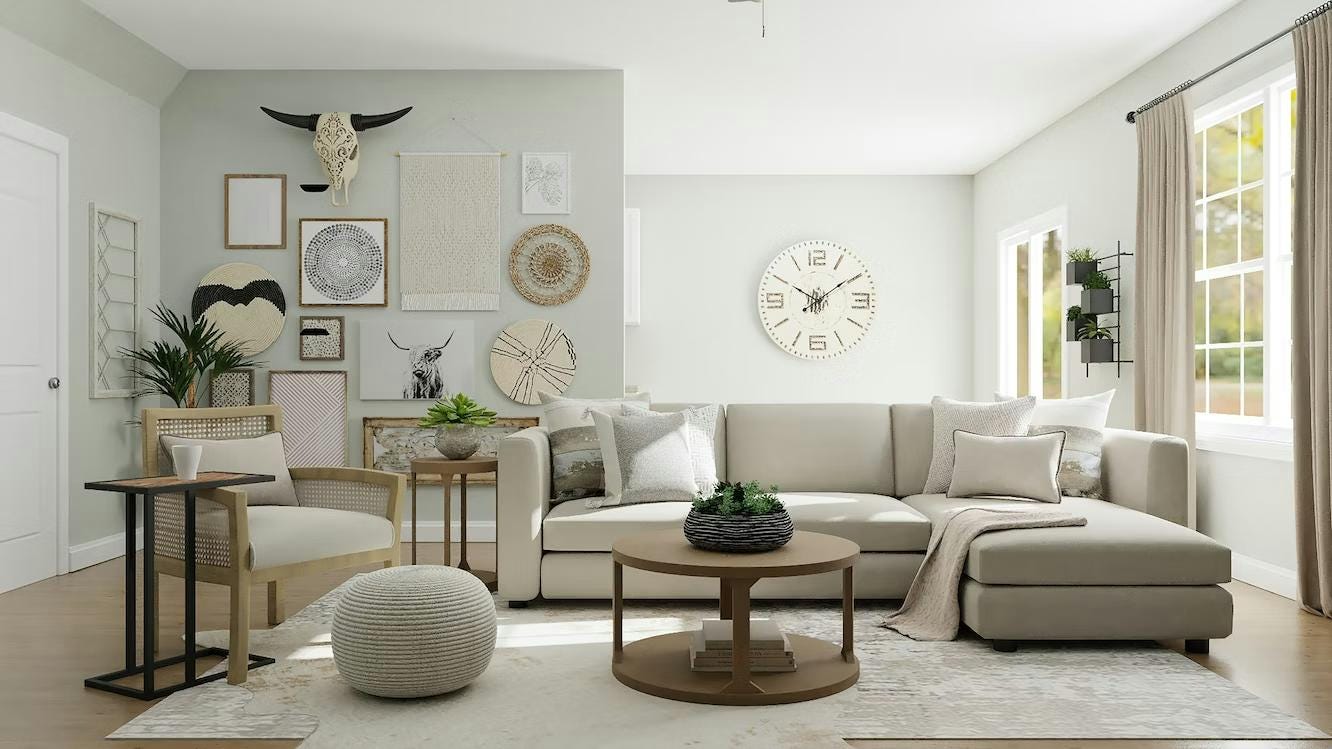
Smart, Sustainable, and Space-Saving: The Evolution of Modular Furniture
Posted in

Smart, Sustainable, and Space-Saving: The Evolution of Modular Furniture

Modular furniture design has transformed how people interact with interior spaces. No longer limited to simple stackable shelves or sectional sofas, modern modular systems combine flexibility, technology, and sustainability into cohesive design solutions. As urban living spaces shrink and multifunctional environments become the norm, furniture that adapts to changing needs is no longer a luxury ,  it is a practical necessity.

This article explores the most recent innovations shaping modular furniture design, focusing on smart functionality, sustainable materials, space optimization, and user-centered engineering.

What Is Modular Furniture and Why It Matters

Modular furniture consists of independent components that can be rearranged, expanded, or reconfigured to serve different purposes. Instead of purchasing separate items for every function, users assemble a system that evolves with their lifestyle.

Key characteristics of modular design:

  • Interchangeable components
  • Expandable structures
  • Tool-free or minimal assembly
  • Multi-functional use
  • Long-term adaptability

These qualities make modular furniture particularly relevant for modern apartments, flexible workspaces, and compact living environments.

Smart Technology Integration in Modular Furniture

One of the most significant innovations in modular furniture is the integration of intelligent technology. Furniture is becoming interactive, responsive, and digitally connected.

Modern modular systems increasingly include:

  • Wireless charging surfaces
  • Integrated lighting systems
  • Sensor-based ergonomic adjustments
  • App-controlled configuration memory
  • Concealed cable management

For example, modular desks can automatically adjust height based on stored user preferences. Lighting embedded within shelving units may shift brightness throughout the day to match ambient conditions.

Modular Power Distribution Systems

Innovative electrical integration allows components to share power through hidden tracks or conductive connectors. Users can reposition modules without rewiring or installing new outlets. This plug-and-play infrastructure is especially beneficial in-home offices and collaborative workspaces where layout flexibility is essential.

See also : Smart Furniture Technology Trends Transforming Modern Home

Digital Fabrication and Customization

Advances in digital manufacturing have expanded the possibilities of modular furniture design. Computer-controlled fabrication methods, such as CNC machining and precision laser cutting, allow for highly accurate components that fit together seamlessly. This precision enables more complex modular geometries and tighter tolerances, improving both stability and visual refinement.

Customization has also become more accessible. Users can configure modular systems through digital platforms that generate tailored layouts based on room dimensions and functional needs. These platforms often use parametric design logic, where changing one variable automatically adjusts related components.

Space-Saving Transformable Designs

As living spaces become smaller and more multifunctional, modular furniture is evolving to maximize efficiency without sacrificing comfort or aesthetics.

Multi-Function Modules

Recent designs combine multiple uses within single structures. Common examples include:

  • Sofa systems that transform into beds
  • Wall units integrating desks, storage, and seating
  • Storage modules doubling as room dividers
  • Expandable tables for flexible dining or work

These designs allow users to shift between activities without changing rooms or adding extra furniture.

Sliding, Folding, and Rotating Components

Motion has become a defining feature of modular furniture innovation. Instead of static arrangements, components now move to reveal different functions.

Examples of transformable mechanisms include:

  • Sliding panels that conceal workspaces
  • Fold-out surfaces for temporary use
  • Rotating storage towers
  • Telescoping seating extensions

By embedding movement into structure, designers create furniture that actively reshapes interior environments.

Eco-Friendly Material Innovations

Environmental responsibility is a major driver of innovation in modular furniture. Designers are rethinking materials, manufacturing processes, and product lifecycles.

Recent modular systems frequently incorporate:

  • Recycled composite panels
  • Bio-based plastics
  • Engineered wood alternatives
  • Low-emission bonding agents
  • Natural surface treatments

These materials reduce environmental impact while maintaining structural strength and visual appeal.

Modular Furniture for Hybrid Work Environments

The expansion of remote and hybrid work has influenced the development of modular furniture that supports productivity across multiple settings. Flexibility, acoustic control, and ergonomic adaptability are central to these innovations.

Modular workspace systems now include movable privacy panels, reconfigurable desk clusters, and portable storage units designed for rapid transformation. Acoustic modules made from sound-absorbing materials can be added or repositioned to create temporary quiet zones. This allows spaces to transition between collaborative and focused modes without permanent structural changes.

Ergonomic adaptability is another priority. Modular workstations can adjust in height, orientation, and configuration to support different tasks throughout the day. Seating, work surfaces, and accessories function as interchangeable elements within a unified system, promoting comfort and efficiency.

Lightweight Engineering and Mobility Features

Material innovation has enabled modular furniture that is both strong and lightweight, improving portability and ease of use. Common engineering advancements include:

  • Aluminum support frameworks
  • Honeycomb panel structures
  • Reinforced polymer composites
  • Lightweight laminated cores

These materials maintain durability while reducing weight, allowing furniture to be repositioned easily.

User-Centered Experience and Design Psychology

Innovation in modular furniture increasingly focuses on how users interact emotionally and physically with adaptable environments.

Personalization and Identity Expression

The ability to rearrange, expand, and customize furniture allows individuals to shape spaces that reflect personal identity. Modular systems encourage interaction, making design an ongoing process rather than a one-time decision.

Visual and Material Cohesion

Modern modular furniture prioritizes aesthetic continuity. Designers use consistent materials, concealed connectors, and balanced proportions to ensure that flexibility does not compromise visual harmony. Interchangeable surface panels and finishes allow users to refresh interiors without replacing entire systems, supporting both personalization and sustainability.

The latest innovations in modular furniture design demonstrate a shift toward flexibility, intelligence, and sustainability in interior environments. Smart technology integration transforms furniture into responsive systems.

Rather than serving a single static purpose, modular furniture now functions as an adaptable framework that evolves with changing spatial, functional, and personal needs.

By combining engineering precision with design versatility, modern modular furniture offers a practical and forward-thinking solution for contemporary living.

Frequently Asked Questions

  1. What defines modular furniture?

It consists of independent components that can be rearranged, expanded, or reconfigured to serve multiple functions within one adaptable system.

  1. Why is modular furniture popular in urban homes?

It maximizes limited space by combining storage, seating, and work functions while allowing flexible layouts for changing daily needs.

  1. How does technology enhance modular furniture?

Smart features like wireless charging, integrated lighting, and adjustable components improve convenience, ergonomics, and usability.

  1. Is modular furniture environmentally friendly?

Yes. Replaceable parts, durable materials, and circular design principles reduce waste and extend product lifespan.

  1. Can modular furniture be customized?

Most systems allow users to select configurations, materials, and functions tailored to specific spaces and preferences.

  1. Is assembly difficult?

Modern designs use tool-free connectors, magnetic joints, and interlocking structures for quick and simple setup.

Smart Home Furniture: Transforming Everyday Living with Technology
Posted in

Smart Home Furniture: Transforming Everyday Living with Technology

Technology is no longer limited to smartphones and computers; it has become an integral part of how we live at home. One of the most transformative innovations in modern living is smart home furniture. These intelligent furnishings go beyond traditional functionality by integrating digital technology, automation, and connectivity to enhance comfort, efficiency, and overall quality of life.

This article explores how smart home furniture improves daily living through convenience, health benefits, productivity, and energy efficiency.

Core Technologies Behind Smart Furniture

Several technologies power smart home furniture, including:

  • Internet of Things (IoT) connectivity for communication between devices
  • Motion, pressure, and environmental sensors
  • Mobile app and voice control integration
  • Artificial intelligence for adaptive behavior
  • Motorized ergonomic adjustment systems

Together, these technologies transform everyday furniture into responsive tools that actively support daily routines.

Smart Furniture Supports Modern Life

As homes increasingly serve multiple purposes, workspace, relaxation zone, and social environment, smart furniture helps create a living space that adapts to human needs rather than the other way around.

Enhancing Efficiency in Everyday Activities

One of the most immediate benefits of smart home furniture is improved efficiency. Many small adjustments that once required manual effort are now automated, saving time and reducing friction in daily tasks.

Impact on Time Management

Efficiency improvements accumulate over time. When furniture responds instantly to user needs, transitions between activities, such as working, resting, or socializing, become smoother. This streamlined experience helps individuals maintain better time management and reduces daily stress.

See also : Smart, Sustainable, and Space-Saving: The Evolution of Modular Furniture

Improving Comfort and Physical Health

Comfort is a fundamental aspect of quality living, and smart home furniture is designed with advanced ergonomic principles. By adjusting automatically to the user’s body and habits, smart furniture supports healthier posture and reduces physical strain.

Automated Ergonomic Support

Smart furniture enhances physical well-being through features such as:

  • Automatic height and posture adjustments
  • Personalized seating support
  • Adaptive mattress firmness and positioning
  • Memory settings for individual preferences

These capabilities help minimize common health issues associated with sedentary lifestyles, including back pain, muscle tension, and poor posture.

Passive Health Monitoring

Some smart furniture includes built-in health monitoring features that work quietly in the background, such as:

  • Sleep quality tracking
  • Heart rate monitoring
  • Posture alerts and reminders
  • Relaxation and recovery modes

This passive monitoring supports long-term wellness without requiring additional devices or effort from users.

Supporting Productivity in Modern Homes

With the rise of remote work and digital lifestyles, homes must support productivity as effectively as traditional workplaces. Smart home furniture helps create environments that adapt to different tasks and optimize focus.

Adaptive Work Environments

Smart desks and chairs can automatically configure settings based on user profiles. This adaptability is particularly beneficial for:

  • Remote work setups
  • Online learning environments
  • Creative projects
  • Virtual meetings

A workspace that adjusts to physical and cognitive needs enhances concentration, reduces fatigue, and improves overall performance.

Integration with Smart Home Systems

Smart furniture often connects with lighting, climate control, and entertainment systems. For example, a desk could automatically adjust lighting levels or room temperature based on time of day or activity type. This integrated environment supports sustained productivity and comfort.

Strengthening Home Safety and Security

Beyond convenience and comfort, smart home furniture contributes to household safety. Intelligent storage and security features help protect valuable items and provide peace of mind.

Common Security Features

Smart furniture may include:

  • Biometric locking systems for drawers and cabinets
  • Unauthorized access alerts
  • Remote locking capabilities
  • Activity monitoring through mobile apps

These features add an extra layer of protection while remaining discreet and easy to use.

How Smart Furniture Saves Energy

Energy management is an important aspect of modern living, and smart home furniture plays a meaningful role in reducing energy consumption. Energy efficiency is achieved through:

  • Automatic power management when furniture is not in use
  • Intelligent charging systems that prevent energy waste
  • Adaptive lighting built into furniture
  • Low-power standby modes

By optimizing energy use, smart furniture not only lowers electricity bills but also supports environmentally responsible living.

Maximizing Space in Modern Living Environments

Urban homes and apartments often face space limitations. Smart home furniture addresses this challenge by combining multiple functions into single pieces that adapt to different needs.

Multifunctional Smart Furniture Solutions

Examples include:

  • Beds with automated storage systems
  • Foldable desks with motorized operation
  • Convertible sofas with intelligent adjustment
  • Smart shelving that optimizes storage layout

These solutions help maintain an organized, spacious, and flexible living environment.

Personalization and Adaptive Living Experiences

A defining advantage of smart home furniture is its ability to personalize user experiences. By learning habits and preferences, furniture can anticipate needs and respond proactively.

Benefits of Personalization

  • Automatic adjustment to preferred settings
  • Recognition of different household members
  • Consistent comfort across daily routines
  • Intuitive interaction with minimal input

Personalization transforms the home into a responsive environment that feels tailored to individual lifestyles.

The Future of Smart Home Furniture

The future of smart home furniture is closely tied to advances in artificial intelligence, sustainable design, and seamless connectivity. Emerging innovations aim to create furniture that not only responds to users but predicts needs through behavioral analysis and environmental awareness.

As technology evolves, smart furniture is expected to become more accessible, energy-efficient, and deeply integrated into daily living.

Smart home furniture represents a significant shift in how people interact with their living spaces. For modern households seeking convenience and adaptability, smart home furniture offers practical solutions that improve everyday experiences. As innovation continues to advance, the role of intelligent furnishings will only grow, shaping homes that are more responsive, efficient, and aligned with human needs.

Frequently Asked Questions

  1. What is smart home furniture?

Smart home furniture refers to furnishings embedded with technology such as sensors, automation systems, and connectivity features that enhance comfort, efficiency, and usability in everyday living environments.

  1. How does smart furniture improve daily routines?

It automates common adjustments like lighting, posture, storage access, and positioning, helping users save time, reduce effort, and maintain smoother transitions between activities at home.

  1. Is smart home furniture beneficial for health?

Yes. Many smart furnishings support ergonomic posture, monitor sleep quality, and provide reminders that help reduce strain, fatigue, and long-term physical discomfort.

  1. Does smart furniture help save energy?

Smart furniture optimizes power usage through automatic shut-off systems, efficient charging, and adaptive features that reduce unnecessary energy consumption and lower costs.

  1. Is smart home furniture suitable for small homes?

Absolutely. Many designs are multifunctional and space-saving, making them ideal for compact living environments while improving organization and flexibility.

Smart Furniture Technology Trends Transforming Modern Home
Posted in

Smart Furniture Technology Trends Transforming Modern Home

Smart furniture is transforming how people live, work, and relax at home. No longer limited to simple functionality, modern furniture now integrates technology to enhance comfort, efficiency, and lifestyle quality. From connected sofas to AI-powered desks, smart furniture blends design with innovation to support contemporary living needs, especially in homes that prioritize convenience, flexibility, and intelligent space use.

This article explores the most important smart furniture technology trends shaping modern homes today, highlighting how technology is redefining everyday living environments.

What Is Smart Furniture?

Smart furniture refers to household furnishings enhanced with digital technology, connectivity, sensors, or automation features. Unlike traditional furniture, smart furniture performs additional functions beyond its basic physical purpose. It can connect to home networks, respond to user behavior, adapt to environmental conditions, and support multiple uses within limited space.

IoT-Enabled Furniture for Connected Living

One of the most significant trends in smart furniture is integration with the Internet of Things (IoT). IoT-enabled furniture connects to home networks, allowing users to control features through smartphones, tablets, or voice assistants.

Connected Beds and Sleep Systems

Modern smart beds do more than provide a place to sleep. Many models track sleep quality, adjust firmness automatically, regulate temperature, and sync with wellness apps. Some beds can elevate sections for ergonomic support or gently wake users with vibration and lighting.

These features help improve sleep hygiene while reducing the need for multiple separate devices.

Smart Tables with Integrated Technology

Coffee tables and side tables now include wireless charging pads, Bluetooth speakers, USB ports, and touch controls. Some models feature refrigerated compartments for beverages, making them ideal for entertainment-focused living rooms.

By embedding technology into everyday surfaces, smart tables eliminate clutter from cables and standalone gadgets.

Connected Storage Solutions

Wardrobes and cabinets with sensor-based lighting and inventory tracking help users organize belongings more efficiently. Some systems notify homeowners when items are missing or suggest outfit combinations through companion apps.

This integration supports a seamless smart home ecosystem where furniture actively contributes to daily organization.

Multifunctional Furniture for Flexible Living Spaces

As modern homes prioritize efficient space usage, multifunctional smart furniture has become essential. These pieces combine multiple functions into a single unit, reducing the need for additional furnishings while increasing usability.

Transformable Smart Beds

Murphy beds and foldable systems now include automated mechanisms that transform rooms instantly. With motorized controls, a wall unit can shift from a sleeping area into a workspace or entertainment center in seconds.

Some designs integrate lighting, shelving, and charging stations, making them complete living solutions rather than single-purpose items.

Adaptive Workstations

Smart desks can adjust height automatically based on user preferences or health recommendations. Advanced models track posture, remind users to change positions, and adjust lighting to reduce eye strain.

These workstations support hybrid work lifestyles by providing ergonomic comfort without requiring large dedicated offices.

Modular Seating Systems

Smart modular sofas allow users to rearrange configurations depending on activity, relaxing, socializing, or working. Built-in sensors may remember preferred arrangements, while integrated charging ports and lighting enhance usability.

Flexible furniture supports changing daily routines without requiring additional space.

See also : Smart Home Furniture: Transforming Everyday Living with Technology

AI Integration for Personalized Comfort

Artificial intelligence is increasingly embedded in smart furniture, enabling personalization based on user behavior and preferences.

1. Intelligent Ergonomic Adjustment

AI-powered chairs and desks analyze posture and sitting patterns, automatically adjusting height, angle, or lumbar support. Over time, these systems learn individual comfort preferences and adapt without manual input.

This level of personalization supports long-term health and productivity, especially for individuals working from home.

2. Environmental Adaptation

Some smart furniture pieces interact with environmental sensors to optimize comfort. For example:

  • Chairs may adjust temperature based on room conditions
  • Sofas can activate built-in heating during colder weather
  • Lighting integrated into furniture adapts to time of day

By responding to surroundings automatically, smart furniture reduces the need for constant manual adjustments.

3. Voice-Controlled Furniture Features

Voice integration allows users to control furniture settings hands-free. Adjusting bed positions, activating lighting, or managing charging functions becomes effortless, enhancing accessibility and convenience.

Sustainable Smart Materials and Eco-Conscious Design

Sustainability is a growing priority in modern home design, and smart furniture reflects this shift. Manufacturers increasingly combine technology with environmentally responsible materials and energy-efficient systems.

Energy-Efficient Components

Smart furniture often includes low-power sensors, LED lighting, and automated power management systems. Charging stations may shut off when devices are fully charged, reducing energy waste.

These features support eco-friendly living without sacrificing functionality.

Sustainable Materials with Embedded Technology

Advanced manufacturing techniques allow sensors and wiring to be integrated into recycled wood, bamboo composites, or bio-based materials. This approach reduces environmental impact while maintaining durability and aesthetic appeal.

Smart furniture no longer represents a trade-off between innovation and sustainability, it merges both.

Long-Life Design Philosophy

Because multifunctional furniture replaces several traditional pieces, it reduces overall material consumption. Modular components can also be updated without replacing the entire unit, extending product lifespan.

This shift aligns with modern consumer preferences for responsible consumption.

Smart furniture technology is redefining what it means to live comfortably in modern homes. Through IoT connectivity, AI-driven personalization, multifunctional design, sustainable materials, and space-saving innovation, furniture now plays a central role in shaping daily experiences.

These trends demonstrate a shift toward environments that are not only stylish but also intelligent and adaptive. By integrating technology directly into functional design, smart furniture enhances convenience, supports well-being, and maximizes the potential of contemporary living spaces.

For homeowners seeking efficiency, flexibility, and modern comfort, smart furniture represents a transformative step in home design, where innovation meets everyday life.

Frequently Asked Questions

  1. What is smart furniture?

Smart furniture combines traditional design with technology like sensors, connectivity, and automation to improve comfort, efficiency, and functionality in modern homes.

  1. How does smart furniture improve daily living?

It enhances convenience through features like wireless charging, automated adjustments, and multifunctional design, helping homeowners save space and streamline routines.

  1. Is smart furniture suitable for small homes?

Yes. Many smart furniture pieces are designed to maximize limited space by combining multiple functions into one compact unit.

  1. Can smart furniture support health and productivity?

Smart desks and chairs promote better posture, while adaptive lighting and ergonomic features help maintain comfort during work or relaxation.

  1. Does smart furniture require special installation?

Most products are designed for easy setup and connect to home networks through apps or wireless systems without complex installation.

Smart Furniture Revolution of the Modern World
Posted in

Smart Furniture Revolution of the Modern World

Interior design is one part of the house, which must be considered carefully when you build the house you want to live in.

In this modern era, smart furniture has gained widespread popularity among various groups and become the favorite of many. No wonder, smart furniture are starting to be used nowadays.

As people increasingly prioritize efficiency and technological integration in their homes, the utilization of smart furniture is on the rise.

Smart Furniture and its Advantages

Smart furniture itself is furniture with a minimalist concept that is integrated with smart home technology. This kind of furniture can transform your ordinary home into an extraordinary one and for the modern era, this is a truly extraordinary revolution in furniture.

Several things make this smart furniture a must in the house you live in. Here are some of the benefits of using smart furniture in your home.

1. Saves Use of Space at Home

Using smart furniture in your home can make your minimalist home feel still spacious because smart furniture itself is furniture that is well designed to be able to utilize space very efficiently. So, by using this smart furniture, the room in your house will not feel cramped at all.

2. Make Home Much More Comfortable

Sometimes we will find annoying and unused items at home and this usually makes the view at home unpleasant. However, by using this smart furniture, you can now store items that are not used easily, because smart furniture has extensive storage features.

See also : Indonesian Furniture Arts and Cultural Heritage

3. One Furniture with Many Functions

Smart furniture is created to help rooms maximize their use. Smart furniture usually comes with more than one function, so a narrow room will still look spacious because you no longer need to put a lot of furniture in one room. Just one piece of furniture is enough, but it has many functions.

4. Integrated in One System

Smart furniture is furniture that is specifically made to make it easier for us to do various things. Of course, smart furniture is also integrated with the system. smart home so it gives you the freedom to carry out various activities at home.

How Smart Furniture Design Enhance Living Space

Several things make this smart furniture design able to enhance the living space in your home. Of course, this will make the room much nicer, more comfortable, and neater. So, what causes smart furniture design to be able to enhance the living space in your home?

1. Multipurpose Furniture System

The design made on smart furniture is unique. This results in furniture having more functions. So, this will help you in making maximum use of furniture and this will reduce the use of space in the room which makes it look much neater and more spacious.

2. Elegant and Minimalist Design

How can smart furniture enhance a room? This is because the design of the smart furniture itself is very simple, elegant, and very minimalist. The corners are made firm and made to maximize function, making this smart furniture able to make a narrow room much wider, because smart furniture is specifically designed to have many uses.

3. All Parts of Smart Furniture Have Their Function

What makes smart furniture able to maximize its function is that the design is made based on needs and focuses on its use, this means that all parts of the smart furniture can be used and have their function, so they can enhance the appearance of the room very well.

4. Function First, Eye-Pleasing Design

Usually, if furniture has maximized its usefulness, the design it has will look ordinary, because the most important thing is not looks but function. However, it is different from smart furniture because it is made with a design that is still pleasing to the eye and can adapt to the room, so smart furniture can improve the appearance of the room and what’s more, it can solve the problem of narrow spaces easily.

That’s how smart furniture design can enhance living spaces in your home. If you have a small house and want to make it look bigger, choosing smart furniture is a clever idea. Smart furniture not only fits well with a simple style but also helps you use the space better, making your home feel more open and organized.